Why Reservations Are Difficult in Japan (And How You Can Solve Them)
Introduction
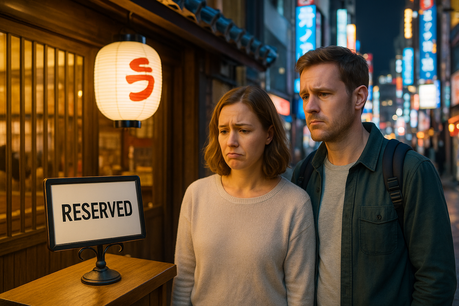
Japan is one of the most popular travel destinations in the world. From Michelin-starred dining to cozy izakaya, from cultural ceremonies to seasonal events, experiences here often require advance reservations. Yet, for many travelers, making a reservation in Japan feels surprisingly difficult.
If you’ve ever wondered why it’s so hard to book restaurants, activities, or events in Japan, you’re not alone. The challenge comes from a mix of cultural habits, language barriers, and systems that are not designed for foreign tourists.
In this article, we’ll break down the reasons why reservations in Japan are tricky and—more importantly—how to solve these problems so you can enjoy your trip stress-free.
Why Are Reservations in Japan So Complicated?
1. Language Barriers
Most small and traditional businesses in Japan don’t have English-speaking staff. Reservations are usually made by phone, and the entire conversation is conducted in Japanese. For tourists, this can lead to stress, miscommunication, and even failed bookings.
2. Limited Online Systems
While many countries use global platforms like OpenTable, Japan still relies heavily on local systems such as Gurunavi or Tabelog. Unfortunately, these platforms are often in Japanese only, and not every restaurant or activity is listed.
3. Strict Reservation Culture
In Japan, punctuality and planning are deeply valued. Restaurants prefer confirmed bookings, and last-minute cancellations are strongly discouraged. Some even charge a cancellation fee. This cultural difference can be confusing for visitors.
4. Small Venues and High Demand
Japanese dining culture often centers around small, specialized restaurants. With only a few tables available, they fill up quickly. Add the surge of international tourists, and competition for reservations becomes fierce.
5. Seasonal and Event Popularity
During cherry blossom season, autumn leaves, or major festivals, demand skyrockets. If you don’t book well in advance, it’s almost impossible to secure a spot.
The Impact on Tourists
For many visitors, these challenges result in:
-
Missed opportunities to enjoy local dining or experiences.
-
Stressful last-minute changes to travel plans.
-
Wasted time searching for English-friendly options.
-
Unexpected costs due to cancellation fees or booking mistakes.
This can reduce the overall enjoyment of a trip, especially for travelers who have limited time in Japan.
Common Mistakes Travelers Make
Before looking at solutions, let’s highlight the most frequent mistakes foreign visitors make:
-
Assuming walk-ins are fine: In many countries you can just show up, but in Japan you’ll often be turned away.
-
Relying only on hotel concierge: Useful, but often limited to certain restaurants and only available if you stay in a high-end hotel.
-
Using only English-language platforms: These cover only a fraction of restaurants and activities.
-
Not checking cancellation rules: Many tourists are surprised by penalties for no-shows.
By being aware of these mistakes, you can avoid unnecessary problems.
How to Solve the Reservation Challenge in Japan
1. Use Online Platforms Wisely
Some platforms like TableCheck and Pocket Concierge offer limited English support. They are useful for booking certain restaurants, but coverage is still limited.
2. Book Well in Advance
For popular spots, especially in Tokyo and Kyoto, reservations may need to be made weeks—or even months—before your trip. Planning ahead is essential.
3. Learn Key Japanese Phrases
While not a full solution, knowing basic phrases like “Yoyaku onegaishimasu” (I’d like to make a reservation) can sometimes help. But this requires confidence and isn’t practical for everyone.
4. Ask for Local Help
If you have Japanese friends or colleagues, they can sometimes assist. However, this isn’t always reliable for tourists who come without local contacts.
5. Use a Professional Booking Service (Recommended)
The most effective solution for many travelers is to use an English-friendly booking service. With this option, you avoid language stress, ensure accurate reservations, and save time.
Benefits of Using an English-Friendly Booking Service
-
Clear Communication: You make requests in English—we handle the Japanese side.
-
Wide Range of Options: Restaurants, cultural experiences, tours, and more.
-
Time Savings: No need to spend hours navigating Japanese websites.
-
Peace of Mind: Avoid miscommunication and mistakes.
-
Secure Payment: Many booking services offer prepayment, avoiding surprises later.
By outsourcing reservations to professionals, you eliminate one of the biggest travel headaches in Japan.
Real-World Example
Imagine you want to book a small sushi restaurant in Tokyo. The website is only in Japanese, the restaurant doesn’t accept walk-ins, and the staff doesn’t speak English. On your own, this is nearly impossible.
But with a booking service, you simply provide your desired date, time, and party size in English. The service contacts the restaurant in Japanese, confirms the reservation, and even handles cancellations if needed. Instead of worrying, you simply show up and enjoy your meal.
FAQs: Quick Answers for Travelers
Q: Is it true that some restaurants in Japan refuse foreign customers?
A: In some cases, yes—but often this is due to language barriers or cultural misunderstandings. With a booking service, these issues are minimized.
Q: How far in advance should I book?
A: For popular restaurants or activities, at least 2–4 weeks ahead. For seasonal events, even earlier.
Q: Can I book via email in English?
A: Rarely. Most venues require phone reservations in Japanese.
Conclusion
Japan offers world-class dining, unforgettable cultural activities, and unique seasonal events. But the country’s reservation system can feel overwhelming for foreign visitors.
By understanding the challenges—and more importantly, by using the right solutions—you can enjoy every aspect of Japan without stress.
If you don’t want to spend hours making calls or struggling with Japanese-only websites, consider using an English-friendly booking service. It’s the easiest way to secure your spot, avoid mistakes, and make the most of your trip.