Top 10 Izakaya Foods Every Traveler Should Try
Introduction – Your Shortcut to Ordering Like a Local
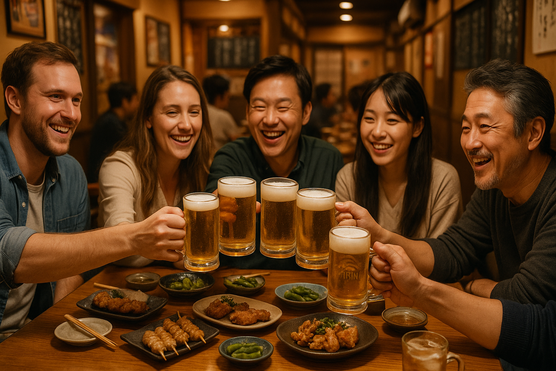
An izakaya (居酒屋) is a casual Japanese pub where friends gather to share small plates and drinks. If you’re visiting Japan for the first time, the menu can feel overwhelming—skewers, fried dishes, tofu, noodles, and seasonal items all in one place. This guide highlights 10 traveler-friendly izakaya dishes that are consistently delicious, easy to order, and perfect for sharing. Pair a few of these with a cold beer or a highball and you’ll be eating like a local in no time.
How to Use This List
- Start with 2–3 small plates and add more as you go—izakaya dishes arrive quickly.
- Mix grilled, fried, and fresh items for variety.
- Look for the word おすすめ (osusume, “recommended”) on menus if you’re unsure.
- When in doubt, point at the menu photo and say, “Kore o kudasai” (This one, please).
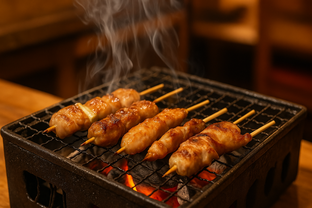
1) Yakitori (焼き鳥) – Grilled Chicken Skewers
The quintessential izakaya dish. Choose from popular cuts like negima (chicken + scallion), tsukune (chicken meatballs), momo (thigh), and tebasaki (wing). You’ll often be asked tare or shio—tare is a sweet soy glaze; shio is simply seasoned with salt. Best with: draft beer or a highball.
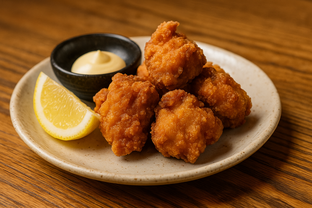
2) Karaage (唐揚げ) – Japanese Fried Chicken
Juicy, garlicky, and ultra-crispy, karaage is a guaranteed crowd-pleaser. Squeeze the lemon, dip in mayo (if provided), and enjoy. Best with: beer or oolong tea.
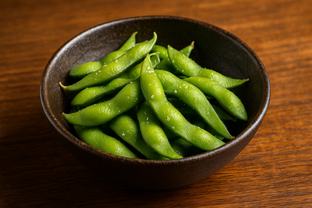
3) Edamame (枝豆) – Boiled Green Soybeans
Lightly salted soybeans you pop from the pod—simple, fresh, and the perfect starter/snack to balance richer plates. Best with: anything; it resets your palate.
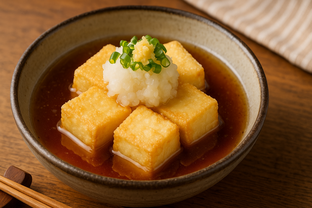
4) Agedashi Tofu (揚げ出し豆腐) – Silky Fried Tofu in Broth
Delicately fried tofu served in hot dashi broth with grated daikon and ginger. Comforting, umami-rich, and vegetarian-friendly (ask about the broth if strict). Best with: warm sake or green tea.
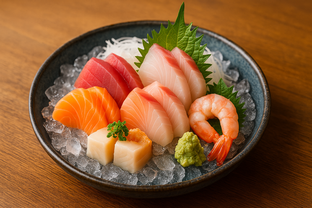
5) Sashimi Moriawase (刺身盛り合わせ) – Assorted Sashimi
A mixed platter of seasonal raw fish. If you’re unsure which fish to pick, moriawase is the safe and exciting option. Best with: chilled sake or shochu.
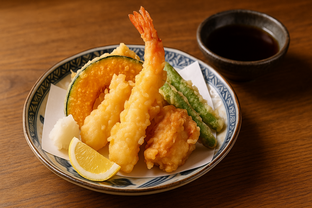
6) Tempura Moriawase (天ぷら盛り合わせ) – Lightly Battered Seafood & Veg
Crisp and airy tempura—often shrimp, pumpkin, sweet potato, and seasonal vegetables. Dip lightly in tentsuyu sauce; avoid soaking to keep it crisp. Best with: cold beer or chilled sake.
7) Gyoza (餃子) – Pan-Fried Dumplings
Thin wrappers with juicy pork and cabbage filling, pan-fried until crisp on one side. Dip in soy + vinegar; add chili oil if you like heat. Best with: beer or highball.
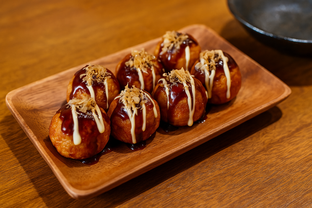
8) Takoyaki (たこ焼き) – Octopus Batter Balls
Common at festivals, but many izakaya (especially in Tokyo/Osaka) serve takoyaki with sauce, mayo, and bonito flakes. Soft, savory, and fun to share. Best with: highball or soda.
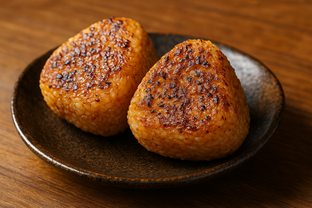
9) Yaki Onigiri (焼きおにぎり) – Grilled Rice Balls
Rice balls brushed with soy sauce and grilled until crisp outside and fluffy inside. A great finisher before dessert or last drinks. Best with: tea or mild sake.
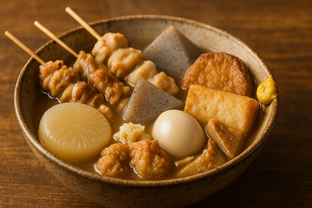
10) Oden (おでん) – Soy-Broth Hotpot (Seasonal)
A winter favorite: simmered daikon, tofu, fish cakes, eggs, and more in a light soy-dashi broth. Ask what’s in today’s pot and build your own bowl. Best with: warm sake or shochu.
Bonus: Easy Ordering Phrases
- Osusume wa nan desu ka? – What do you recommend?
- Kore o futatsu kudasai. – Two orders of this, please.
- Mizu kudasai. – Water, please.
- Betsu-betsu de onegaishimasu. – Separate checks, please (not always available).
Pairing Tips – Drinks That Work with Everything
- Beer (生ビール): ideal with fried or grilled items.
- Highball: refreshingly light, great with fatty dishes.
- Sake/Shochu: better with sashimi and agedashi tofu.
- Non-alcohol: oolong tea, soda, or yuzu drinks.
Conclusion – Build Your Own Izakaya Table
With these 10 dishes, you’ll cover the core of what makes izakaya dining so enjoyable: variety, shareability, and flavor. Start with 2–3 plates, add more as you go, and don’t be afraid to ask for recommendations. If you’d like help reserving a popular izakaya in Tokyo (especially on weekends), our booking service can secure a table and communicate your preferences in Japanese—so you can focus on eating, not stressing.