How to Enjoy Yakiniku in Japan: A Beginner’s Guide
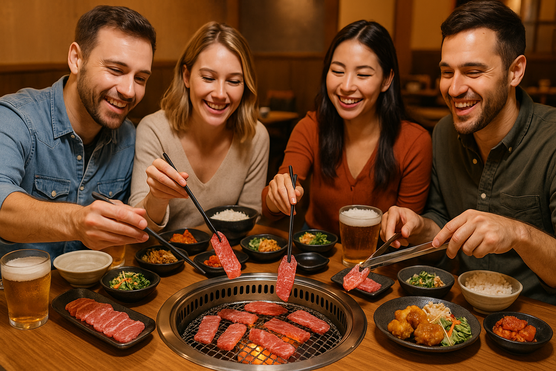
Introduction – Why Yakiniku is a Must-Try in Japan
For many visitors, yakiniku (焼肉)—Japanese barbecue—is one of the most memorable dining experiences. Unlike Western-style steakhouses, yakiniku is interactive: you grill your own meat at the table, share plates with friends, and enjoy a lively atmosphere. But if it’s your first time, you might wonder: How do I order? How do I grill properly? This guide will show you everything you need to know to enjoy yakiniku like a pro.
What is Yakiniku?
- Definition: Yakiniku literally means “grilled meat.”
- Style: Small cuts of beef, pork, or chicken are grilled on a tabletop charcoal or gas grill.
- Culture: It’s social and fun, with groups sharing different cuts of meat and side dishes.
Step 1: How to Order at a Yakiniku Restaurant
- Look for sets: Many restaurants offer tokusen moriawase (special assorted plates).
-
Popular cuts:
- Karubi (カルビ) – short ribs, rich and juicy.
- Ro-su (ロース) – lean sirloin.
- Harami (ハラミ) – skirt steak, tender and flavorful.
- Tongue (タン) – beef tongue, often served thinly sliced with lemon.
- Tips: Start with light cuts (tongue, sirloin) and move to richer cuts (karubi, harami). Order side dishes like kimchi, rice, and salad for balance.
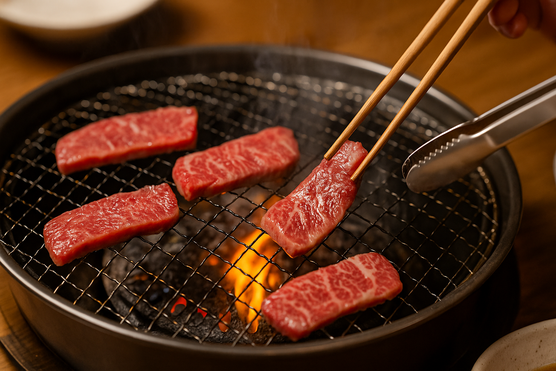
Step 2: How to Grill Properly
- Use tongs, not chopsticks when placing raw meat on the grill.
- Don’t overcrowd the grill—leave space for even cooking.
- Grill thin slices quickly; fattier cuts need slightly longer.
- Dip grilled meat in tare sauce (sweet soy-based) or sprinkle with salt.
- Common etiquette: don’t overcook meat that others might want to share.
Step 3: What to Eat with Yakiniku
- Rice (ご飯): essential to balance rich flavors.
- Kimchi: spicy and sour, cuts through fat.
- Namul (seasoned veggies): adds variety and texture.
- Soup: such as wakame seaweed or egg soup.
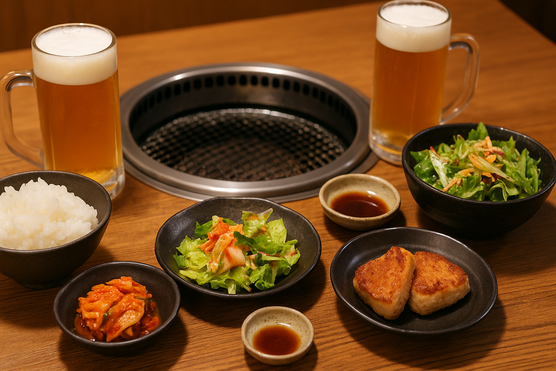
Step 4: Drinks that Match Yakiniku
- Beer: the classic pairing.
- Highball (whiskey soda): light and refreshing.
- Shochu or sake: for those who prefer traditional Japanese drinks.
- Non-alcohol: oolong tea is common and refreshing.
Step 5: Tips for First-Time Visitors
- Many yakiniku restaurants are table-service only—point at the menu if unsure.
- Some restaurants have all-you-can-eat (食べ放題 / tabehodai) options.
- Most are group-friendly, but solo yakiniku shops are becoming popular in Tokyo.
- Carry cash—smaller shops may not accept credit cards.
Etiquette at Yakiniku
- Don’t put cooked meat back on the raw plate.
- Share fairly—don’t hog the grill!
- Replace grills if they get smoky—staff will help.
- Say “Itadakimasu” before eating and “Gochisosama deshita” after the meal.
How Our Service Helps
Some yakiniku restaurants in Tokyo require reservations, especially wagyu-specialty shops. Our service can help secure a table at popular spots and communicate any dietary needs in Japanese, so you can simply enjoy grilling and eating.
Conclusion
Yakiniku is more than just a meal—it’s an experience. From sizzling cuts of wagyu to the joy of grilling together, it’s a must for any Japan trip. With this guide, you’ll know what to order, how to grill, and how to enjoy yakiniku like a local.
👉 Ready to try yakiniku in Tokyo? Let us help you book a table at one of the city’s best restaurants.