Types of Ramen in Japan: Soup Bases, Styles, and Regional Flavors
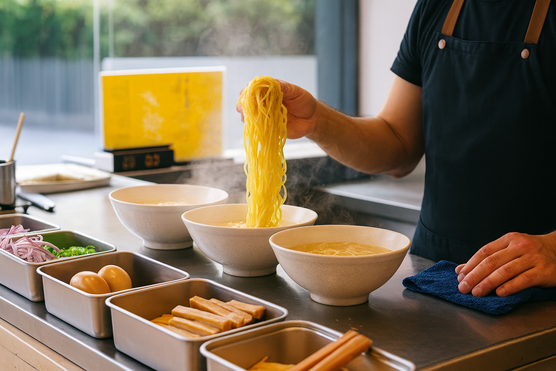
From rich tonkotsu to light shio, ramen in Japan is a world of flavors waiting to be explored. For travelers, understanding the differences between Japan’s many ramen types is more than just about taste — it’s about diving into a delicious part of everyday Japanese culture. This guide will help you recognize each style, its regional background, and where to enjoy it like a local.
1. A Quick Introduction to Ramen Culture
Ramen is one of Japan’s most iconic comfort foods — a steaming bowl of noodles in broth topped with flavorful ingredients. While the dish originated from Chinese noodle soup, Japan transformed it into a national obsession. Every city and region now has its own variation, shaped by local ingredients, climate, and culture. You’ll find ramen everywhere — from humble street shops to Michelin-starred restaurants — each with its own loyal following.
2. The Four Classic Ramen Broths
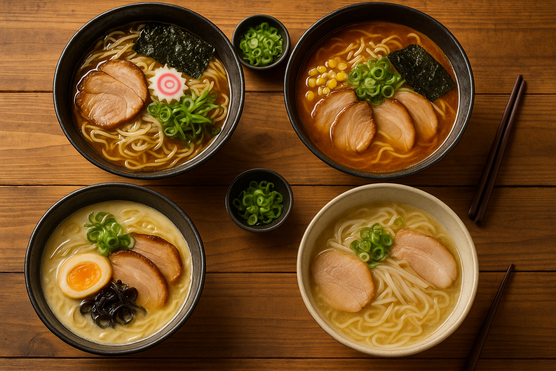
Most ramen falls into one of four traditional soup bases. Each offers a different level of richness and flavor intensity:
- Shoyu (Soy Sauce) — The most common style, featuring a clear brown broth flavored with soy sauce. It’s savory, slightly tangy, and pairs beautifully with springy noodles. Tokyo-style ramen is typically shoyu-based.
- Shio (Salt) — The lightest type, using salt and clear chicken or seafood stock. Its delicate flavor makes it popular in coastal areas like Hakodate in Hokkaido.
- Miso — Born in Sapporo, this hearty broth is made with fermented soybean paste. Rich, nutty, and slightly sweet, it’s perfect for cold winters and often topped with corn and butter.
- Tonkotsu (Pork Bone) — A creamy, cloudy broth made by boiling pork bones for hours. Originating from Hakata in Kyushu, it’s intensely rich and deeply satisfying — a must-try for first-time visitors.
3. Modern and Unique Styles
Beyond the classics, modern ramen chefs have introduced creative styles that reflect Japan’s innovation in food culture:
- Tsukemen — Dipping noodles served separately from the broth. The noodles are thick and chewy, dipped into a concentrated soup before eating. Great for hot summer days.
- Mazesoba — A “soupless” ramen where noodles are mixed with sauce, garlic, minced meat, and egg yolk. It’s bold, spicy, and deeply flavorful — particularly popular in Nagoya.
- Vegetarian / Vegan Ramen — Increasingly common in Tokyo and Kyoto, often made with soy milk, mushrooms, or sesame-based broths.
4. Regional Ramen Highlights
Japan’s geography plays a major role in how ramen evolves. Each region has its signature flavor and ingredient combination:
- Sapporo Ramen (Hokkaido) — Famous for miso broth, thick noodles, and toppings like corn and butter.
- Kitakata Ramen (Fukushima) — Light soy broth with flat, curly noodles. Loved for its nostalgic taste.
- Tokyo Ramen — Soy-based, clear broth made from chicken and seafood, topped with bamboo shoots, egg, and nori.
- Hakata Ramen (Fukuoka) — Tonkotsu-based with ultra-thin noodles and pickled ginger. Often served “kaedama” style (extra noodles added later).
5. Common Toppings You’ll See Everywhere
- Chashu — Braised pork slices, tender and flavorful.
- Ajitsuke Tamago — Soft-boiled marinated egg with a creamy yolk.
- Narutomaki — Pink swirl fish cake, iconic and photogenic.
- Menma — Seasoned bamboo shoots adding crunch.
- Negi — Fresh green onions for balance.
6. How to Choose and Enjoy Ramen Like a Local
When visiting a ramen shop, you’ll often order via a vending machine near the entrance — simply insert cash, select your ramen, and hand the ticket to staff. Slurping is considered a compliment to the chef, and don’t be shy — locals do it proudly! If you can’t finish the broth, leaving a little behind is perfectly fine.
For travelers unsure of where to start, try a popular ramen chain like Ichiran or Ippudo — both provide English menus and easy ticket systems. Or, if you’d like help reserving smaller specialty ramen shops in Tokyo or Kyoto, our reservation assistance service can make it easy.
7. Final Thoughts
Exploring ramen in Japan is more than eating — it’s discovering local pride, craftsmanship, and the comfort of everyday life. Whether you love the creamy tonkotsu of Hakata or the rich miso of Sapporo, every bowl tells a story. So grab your chopsticks, order your favorite style, and experience Japan’s culinary heart one slurp at a time.
Write a comment