What Is Kaiseki? A Beginner-Friendly Guide to Japan’s Traditional Course Dining

1. Introduction
Kaiseki is one of the most well-known forms of traditional Japanese dining, but it is also one of the most misunderstood. Many travelers assume that it is only for special occasions, extremely formal, or difficult to access without deep cultural knowledge.
In reality, kaiseki is much more approachable than it appears. While it can be refined and structured, it is not something that requires expert knowledge to enjoy. If you understand the basic idea and what to expect, it becomes a very accessible experience.
This guide explains what kaiseki is, how it works, how much it costs, and the different ways you can experience it during your trip.
2. What Is Kaiseki?
Kaiseki is a traditional Japanese multi-course meal built around seasonality, balance, and presentation. It is not a single dish, but a sequence of carefully prepared courses that highlight different ingredients and cooking techniques.
In modern travel contexts, what most visitors experience is kaiseki-style course dining rather than formal tea ceremony kaiseki. The distinction is not important for most travelers. What matters is that you are experiencing a structured, seasonal meal that reflects Japanese culinary traditions.
Beginner-friendly summary: Kaiseki is best understood as a seasonal Japanese course meal, where each small dish plays a role in the overall flow.
3. What Actually Happens in a Kaiseki Meal
A kaiseki meal is not just a series of dishes, but a carefully designed progression. Each course has a specific role, both in flavor and presentation.
Below is a simplified version of a typical flow.
Appetizer (Sakizuke)

The meal usually begins with a small appetizer that reflects the season.
This dish is designed to introduce the theme of the meal rather than fill you up. It is often light, delicate, and visually detailed. Ingredients and presentation change throughout the year, making this course a subtle preview of what follows.
Sashimi (Otsukuri)
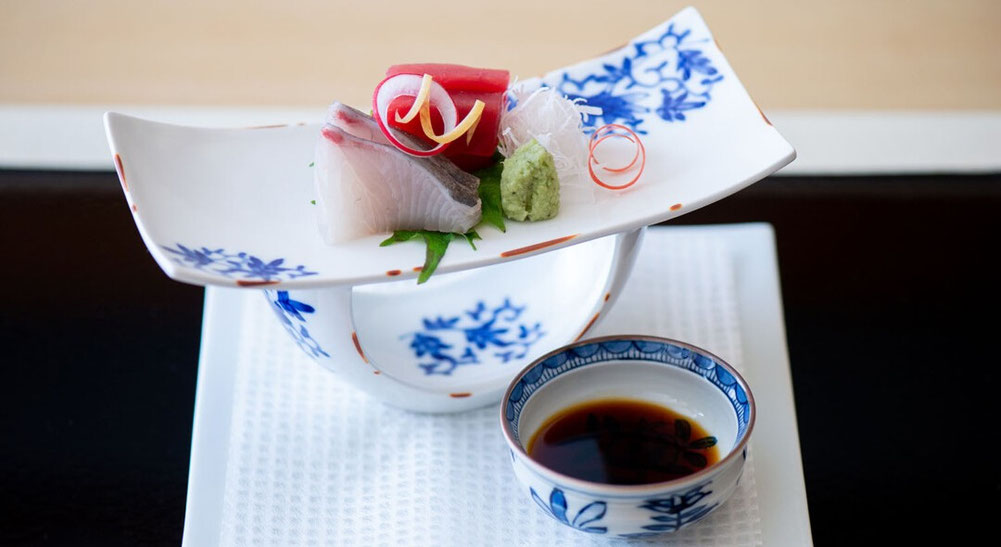
Next comes sashimi, which focuses on freshness and simplicity.
Rather than strong seasoning, the emphasis is on the quality of the fish and the precision of preparation. This course highlights the natural taste of the ingredients and is often one of the most recognizable parts of the meal.
Grilled Dish (Yakimono)

The grilled course adds depth and contrast to the meal.
This is often where fish or sometimes meat is served, bringing slightly stronger flavors compared to earlier dishes. The cooking method introduces aroma and texture, creating a shift in the overall experience.
Simmered Dish (Nimono)
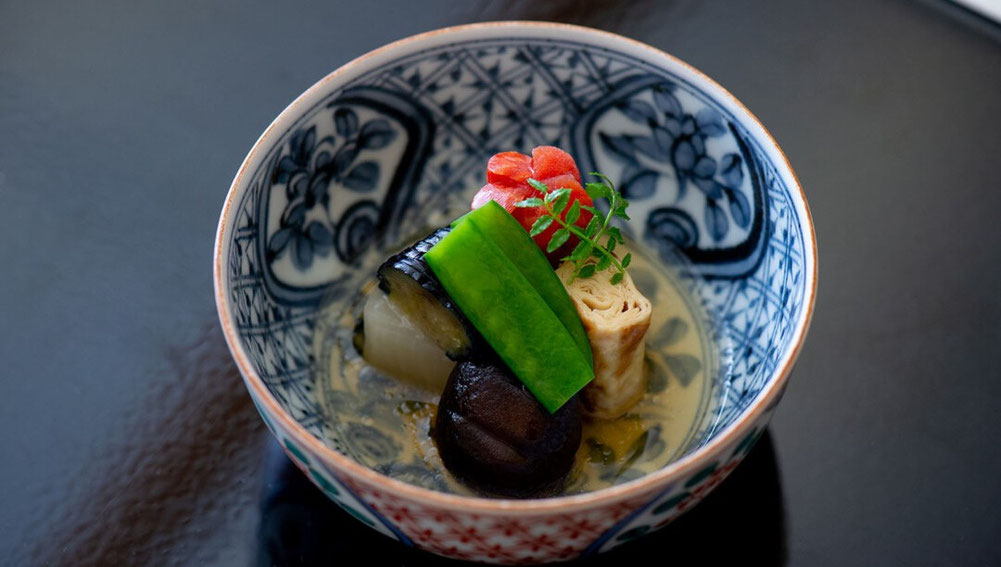
This course focuses on slow cooking and subtle seasoning.
Flavors are more layered and balanced, often combining vegetables, fish, or meat in a way that emphasizes harmony rather than intensity. This is where the meal often feels more comforting and traditional.
Rice, Soup, and Pickles (Shokuji)
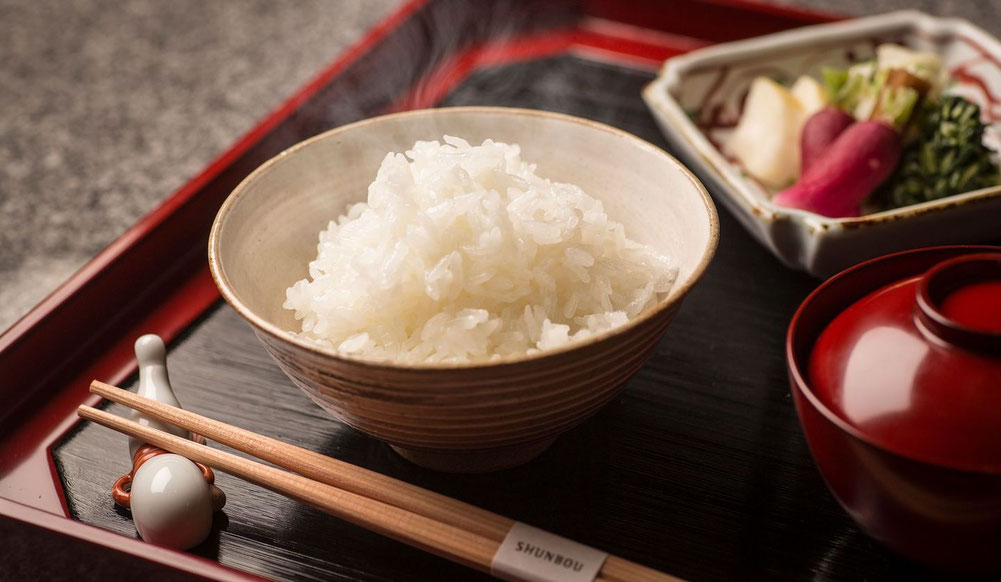
Toward the end of the meal, rice, miso soup, and pickles are served.
This combination represents the foundation of a Japanese meal and provides a sense of completion. After multiple small courses, this stage brings familiarity and balance.
Dessert (Mizumono)
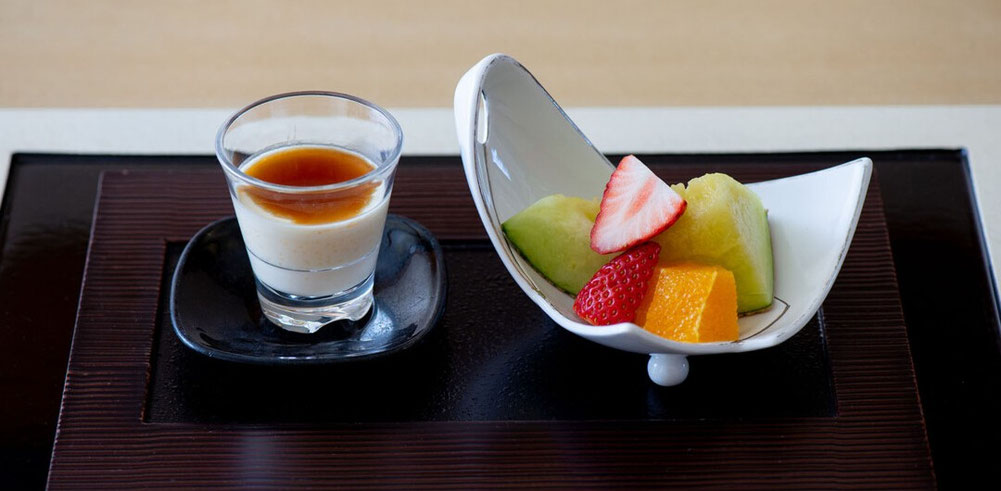
The meal ends with a light dessert, often based on fruit or a simple sweet.
Unlike Western desserts, this course is usually not heavy. It is designed to refresh the palate and gently conclude the experience.
It is also important to understand that kaiseki does not follow a completely fixed structure.
Depending on the restaurant and the season, additional courses may be included or the order may vary slightly. For example, a clear soup course (often called wanmono) or a deep-fried dish (agemono) may appear as part of the progression.
These variations are part of what makes kaiseki unique. Rather than following a rigid formula, each meal is adjusted to reflect the chef’s style, the ingredients available, and the seasonal theme.
4. How Much Does Kaiseki Cost?
Kaiseki covers a wide price range depending on the restaurant, ingredients, and overall experience.
Entry-level meals typically start around ¥5,000 to ¥8,000 per person. Mid-range options are often in the ¥10,000 to ¥20,000 range, while high-end experiences can exceed ¥30,000.
The pricing reflects several factors. Ingredients are often seasonal and carefully selected. Preparation is detailed and time-intensive. The experience also includes presentation, pacing, and service.
Understanding this helps set expectations. Kaiseki is not just about the food itself, but about the overall dining experience.
5. Is Kaiseki Difficult for First-Time Visitors?
For first-time visitors, kaiseki is generally not difficult to navigate.
You do not need to follow strict etiquette beyond basic dining manners. The flow of the meal is guided by the staff, and you simply follow along as each course is served.
Language support varies depending on the restaurant. In many cases, especially in tourist-friendly areas, basic English is available. Even when communication is limited, the structured progression of the meal makes it easy to understand what is happening.
Practical point: You do not need to understand every dish name perfectly. The experience is designed to unfold course by course.
6. Where Can You Try Kaiseki?
There are several different ways to experience kaiseki, and each offers a slightly different style.
Kaiseki Restaurants
Dedicated kaiseki restaurants offer the most structured and traditional experience. Some are high-end and require reservations, while others are more accessible.
Smaller Independent Restaurants
Kaiseki-style meals are also available at smaller, independently run establishments.
These places are often more relaxed and approachable compared to formal restaurants. The atmosphere is usually less rigid, while still maintaining the structure of a multi-course meal.
This is important because many travelers imagine kaiseki only in the context of luxury dining. In reality, there is a wide range of styles, including smaller and more casual environments.
Ryokan (Traditional Inns)
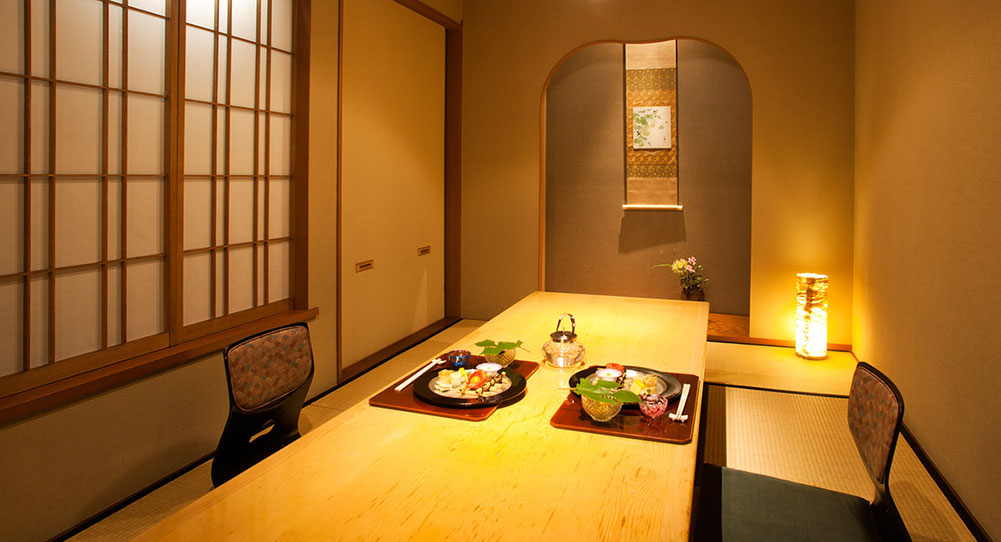
Kaiseki is often served as part of a dinner plan at traditional ryokan.
This can be a convenient way to experience kaiseki because the setting and timing are already arranged. However, staying at a ryokan is only one option and not always the best fit for every traveler.
Ryokan stays typically involve higher overall costs because they include both accommodation and meals. If your main goal is to experience kaiseki itself, you may prefer to stay at a hotel and visit a restaurant separately.
On the other hand, if you are interested in a more immersive experience and are comfortable with the higher cost, a ryokan stay can be a good option.
If you are unsure which type of accommodation fits your travel style, you can contact us here → We can recommend ryokan options based on your preferences.
7. Kaiseki in Takayama
In Takayama, kaiseki tends to be slightly different from what you might find in large cities.
Instead of highly formal dining environments, many places are smaller and more locally oriented. This often makes the experience feel more relaxed and accessible.
Takayama is also known for Hida beef, which is sometimes incorporated into kaiseki-style meals. This creates a combination of traditional structure and regional specialties.
Because of this, Takayama can be a good place to try kaiseki for the first time, especially if you prefer a more approachable setting.
For the broader local food picture, see: What to Eat in Takayama →
If you are interested in Hida beef, start here: Best Hida Beef Restaurants in Takayama →
8. Common Misconceptions
There are several common misunderstandings about kaiseki.
- Kaiseki is always extremely expensive: There are both high-end and more accessible options.
- Kaiseki is difficult to understand: The structured flow makes it easier than many travelers expect.
- Kaiseki is only for special occasions: Many travelers include it as part of a normal Japan itinerary.
9. Final Thoughts
Kaiseki is not something you need to overthink. It is a structured but intuitive dining experience that becomes easy to follow once you are there.
The most important step is deciding how you want to experience it. Whether you choose a dedicated restaurant, a smaller local establishment, or a ryokan stay, each option offers a different perspective.
With the right expectations, kaiseki becomes not a difficult experience, but a memorable and accessible part of your trip.