Seasonal Foods in Japan: What to Try in Winter
Introduction – Comfort Food for the Cold Season
Winter in Japan is cold, but the food warms the body and soul. From hearty hotpots to citrus fruits, winter cuisine highlights comfort and tradition.
Classic Winter Dishes ❄️
-
Oden (おでん) – A hotpot with daikon radish, boiled eggs, fish cakes, simmered in soy broth.
-
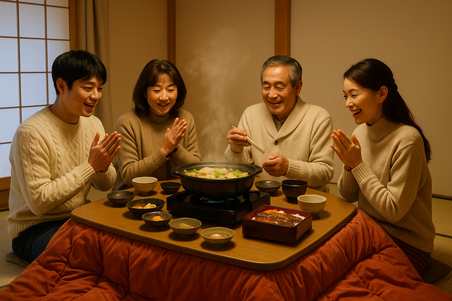
Nabe (鍋料理) – Shared hotpot dishes like shabu-shabu and sukiyaki.
-
Fugu (ふぐ, pufferfish) – A delicacy served as sashimi or hotpot in winter.
-
Kaki (牡蠣, oysters) – Best in cold months, served raw, fried, or in hotpot.
Winter Ingredients 🍊
-
Mikan (みかん, tangerines) – Sweet citrus fruit, often eaten while sitting under a heated kotatsu.
-
Daikon (大根) – Widely used in soups, stews, and hotpots.
-
Mochi (餅) – Rice cakes enjoyed especially during New Year.

New Year Traditions 🎍
-
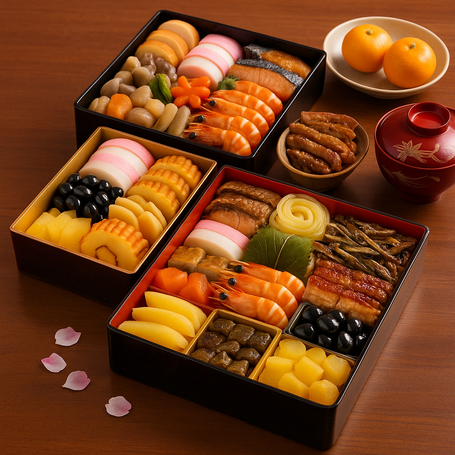
Osechi ryori (お節料理) – Elaborate New Year’s dishes served in lacquered boxes.
-
Zōni (雑煮) – Soup with mochi, different styles across regions.
-
Toshikoshi soba (年越し蕎麦) – Buckwheat noodles eaten on New Year’s Eve to symbolize long life.
Traveler Tips
-
Winter is hotpot season—restaurants are crowded, so book in advance.
-
Fugu requires special chefs; reservations are essential.
-
Try mikan from fruit stands or winter markets.
Conclusion
Japanese winter food is all about comfort, warmth, and tradition. From nabe hotpots to osechi New Year feasts, it’s the perfect season to gather around the table.
👉 We can help you reserve authentic hotpot or fugu dining experiences in Japan.