Takayama Morning Market Guide: Miyagawa, Jinya-mae & What to Expect

The Takayama Morning Market is one of the easiest and most enjoyable ways to experience local daily life in Hida Takayama. For many travelers, it is not only a sightseeing stop but also a good introduction to the town’s rhythm: local produce, friendly stallholders, handmade goods, and a slower start to the day.
What many first-time visitors do not realize is that Takayama’s morning market is really made up of two markets: the larger and more widely known Miyagawa Morning Market along the river, and the smaller Jinya-mae Morning Market in front of Takayama Jinya.
This guide explains the difference between them, what to eat, what to buy, when to go, and how to include the markets naturally in a Takayama itinerary.
Quick Summary (For Busy Travelers)
Main market: Miyagawa Morning Market along the river.
Smaller companion market: Jinya-mae Morning Market in front of Takayama Jinya.
Best for: local produce, snacks, small souvenirs, and relaxed morning browsing.
Best time to go: earlier in the morning for the calmest atmosphere and best selection.
How long to allow: around 30–60 minutes for one market, or 1–1.5 hours if combining both.
If you want to understand the bigger Takayama sightseeing flow first, start here: 2-Day Takayama Itinerary →
1) What Is the Takayama Morning Market?
The Takayama Morning Market is one of the best-known local attractions in the city and has long served as a place where local people sell produce, flowers, handmade goods, and regional specialties.
In practical travel terms, it is one of the easiest places to experience the “local everyday side” of Takayama without needing a tour, reservation, or deep background knowledge.
The market is especially useful because it combines naturally with other nearby attractions such as the old town and Takayama Jinya, making it easy to include in a walking route.
2) Miyagawa Morning Market vs Jinya-mae Morning Market
Miyagawa Morning Market
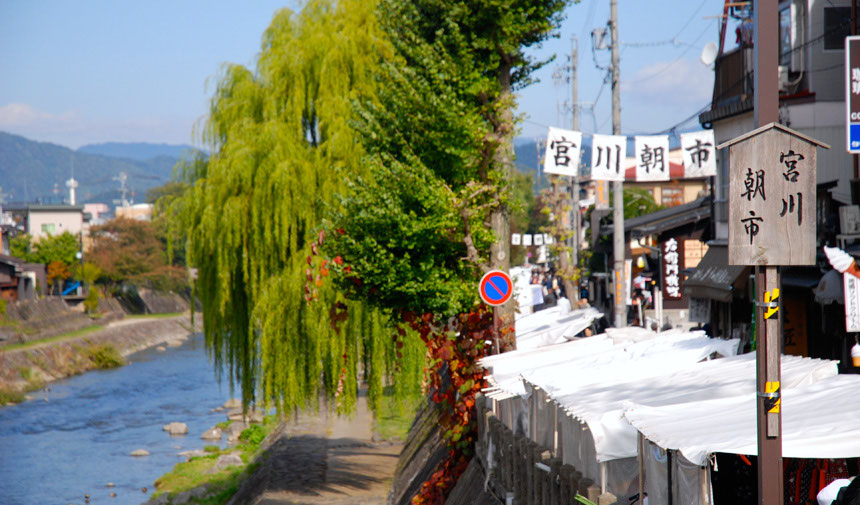
The Miyagawa Morning Market is the more famous of the two and runs along the banks of the Miyagawa River. It is the market most travelers picture when they search for “Takayama morning market.”
The riverside setting makes it especially pleasant to browse, and it usually feels a little more lively and varied than Jinya-mae. If you only have time for one market, Miyagawa is usually the better choice.
Jinya-mae Morning Market
The Jinya-mae Morning Market takes place in front of Takayama Jinya. It is smaller, but for many visitors that is part of the appeal: it feels more compact, more local, and easier to combine directly with a visit to the historic government building.
If you are already planning to see Takayama Jinya, stopping by this market is a natural addition.
If you also want the surrounding historic district explained clearly, read: Takayama Old Town Guide →
3) What to Expect at the Markets
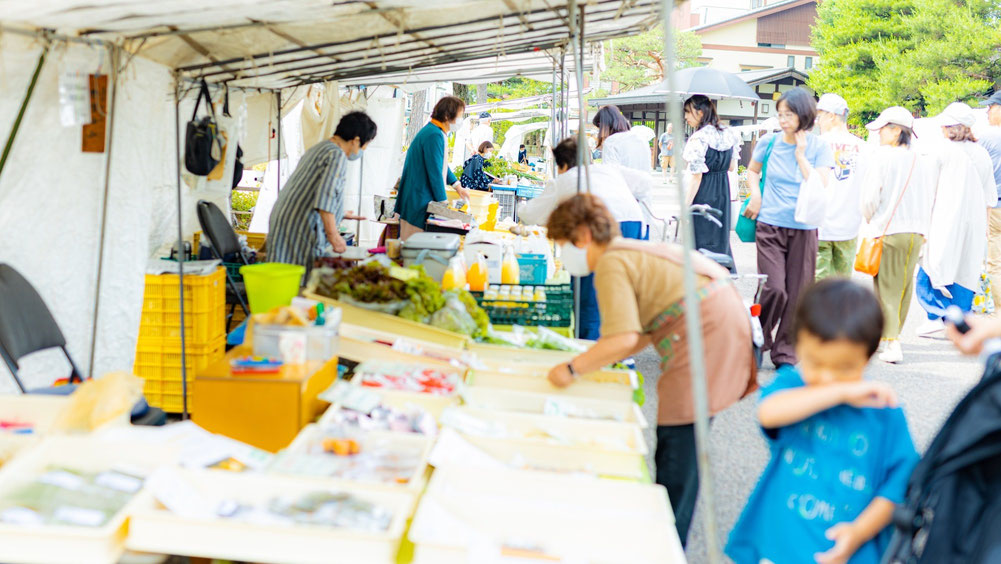
Travelers should think of the Takayama morning markets as small-scale, browse-friendly local markets, not giant food halls or large urban markets. The appeal is in variety, atmosphere, and interaction rather than scale.
Common things you may find include:
- fresh vegetables and fruit
- flowers and seasonal produce
- local snacks
- small handmade crafts
- regional souvenirs such as sarubobo dolls or chopsticks
The exact mix changes by season and by stall, which is part of why the market feels worth visiting even if your goal is not shopping in a serious sense.
4) What to Eat at Takayama Morning Market
The morning markets are best for light local snacking, not for a full formal meal. Think of them as a good place to warm up your appetite and experience Takayama’s food culture in a casual way.
Depending on the day and season, you may find local sweets, produce-based snacks, simple takeaway items, and small regional specialties.
For the complete local food picture, see: What to Eat in Takayama →
If you are planning ramen for lunch after the market, use: Best Takayama Ramen Shops →
5) What to Buy
The market is a good place to buy small, travel-friendly items rather than large purchases. Good choices include edible souvenirs, local craft items, and small handmade objects that feel tied to the region.
If you prefer shopping with a stronger old-town atmosphere, combine the market with Sanmachi Suji rather than treating it as a separate shopping stop.
6) Best Time to Visit Takayama Morning Market
In general, earlier is better. Going earlier means a calmer atmosphere, better photo conditions, and a stronger sense of local rhythm before the market becomes more visitor-heavy.
Morning advantage
Early in the day, the market feels more natural and less like a sightseeing stop. If you enjoy quiet travel moments, this is when the market is at its best.
Seasonal note
The market runs year-round, but the feel changes with the season. Winter mornings can be especially atmospheric, while warmer months feel lighter and more leisurely.
For winter conditions and seasonal planning, use: Takayama in Winter →
7) How to Include the Market in Your Takayama Walk
The easiest and most satisfying way to use the market is to place it at the beginning of the day. A practical flow looks like this:
- Start at Miyagawa Morning Market
- Walk toward Takayama Jinya / Jinya-mae
- Continue into the old town and Sanmachi Suji
- Add a local snack, sake stop, or lunch
This works better than visiting the market in isolation because it lets the whole central Takayama area feel connected.
If you are choosing day trips around Takayama as well, see: Best Day Trips from Takayama →

Summary
The Takayama Morning Market is worth visiting not because it is huge, but because it offers one of the easiest ways to connect with the city’s everyday local atmosphere.
For first-time visitors, the best approach is simple: go early, combine Miyagawa and Jinya-mae if you have time, and link the markets naturally with Takayama Jinya and the old town.