Where to Eat in Takayama: A Practical Guide to Food Areas, Timing & Real Decisions
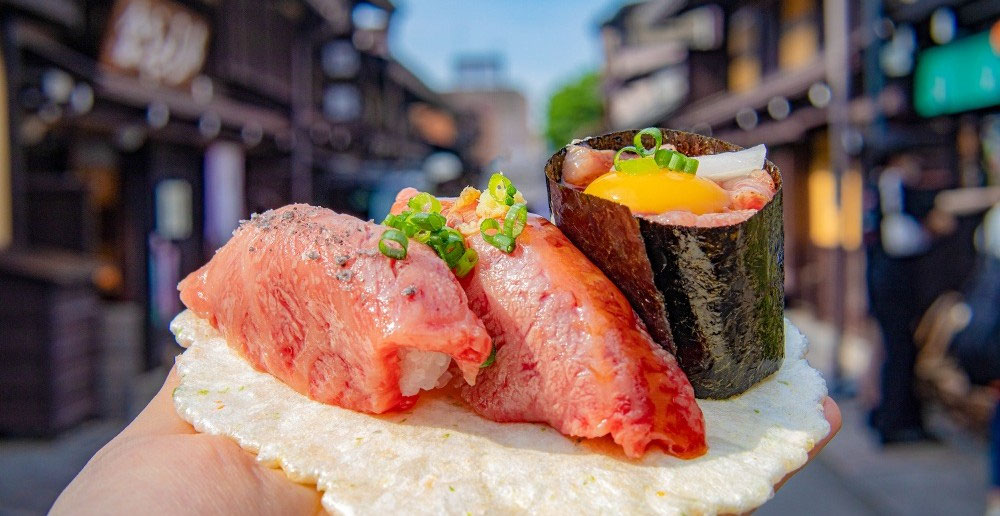
Takayama is small enough that many travelers assume food decisions will be easy. In one sense, that is true: the city is far less overwhelming than Tokyo, Kyoto, or Osaka, and the main sightseeing areas are compact enough that you can walk between them without much difficulty. But in another sense, Takayama is not easy at all. Because the city is small, because many restaurants have limited seating, and because the most popular food experiences are concentrated into a relatively short list of places and time slots, the difference between a smooth meal plan and a frustrating one can be significant.
That is why a guide to “where to eat” in Takayama needs to do something different from a standard restaurant list. Most articles tell you what local dishes to try, or they recommend individual places. Both are useful. But they still leave a practical gap. Travelers often know that they want Hida beef, Takayama ramen, or local soba. What they do not know is how to make good real-world decisions once they are actually in the city. Should they eat lunch in the old town or near the station? Is dinner easier near the sightseeing area or in the more practical part of town? Is it smart to save Hida beef for dinner, or should it be planned as lunch? Which food choices fit naturally into a walking day, and which ones need advance planning?
Those are the questions this guide is designed to answer. Instead of functioning as a “best restaurants” roundup, it explains how Takayama’s food geography works, how meal timing affects your choices, and how to think clearly about lunch, dinner, reservations, casual eating, and Hida beef reality. It is aimed at first-time visitors who want to eat well without turning every meal into a complicated project.
In practical terms, the city’s dining logic can be simplified into three zones: the Old Town area, the Takayama Station area, and smaller hidden local pockets outside the main tourist flow. Each area has a different role. Old Town is strongest for daytime atmosphere, casual eating, and sightseeing-compatible meals. The station area is more practical and often stronger for dinner. The hidden local pockets can be rewarding, but they usually make more sense for travelers with extra time, confidence, or a specific destination in mind.
If you approach Takayama with that framework, food decisions become much easier. You stop asking “What is the best restaurant in the city?” and start asking “What is the smartest meal choice for where I am, what time it is, and what kind of experience I want?” That shift matters more than most people realize.
Quick Answer (For Busy Travelers)
Best lunch area: Old Town / Sanmachi Suji for atmosphere and sightseeing-compatible meals.
Best dinner area: Takayama Station area or a restaurant you planned in advance.
Best Hida beef strategy: treat it as a planned experience, not a last-minute decision.
Best overall approach: stay flexible at lunch and more strategic at dinner.
Most common mistake: assuming the Old Town is automatically the best place for every meal.
If you want to understand the city’s sightseeing flow first, use: Takayama Walking Route Guide →
1) How to Think About Eating in Takayama
The biggest mindset shift is understanding that Takayama is not a city where every food decision should be made at the last minute. In larger cities, you can often decide where to eat only when hunger appears. Takayama is less forgiving. Not because it lacks good food, but because the good options are distributed unevenly across time and space.
This matters for several reasons. First, many visitors follow similar sightseeing patterns. They visit the morning market, walk through the old town, look for local specialties, and then start thinking about lunch or dinner at roughly the same times as everyone else. Second, Takayama has plenty of places worth eating at, but not the endless density of a major city. Third, some of the most sought-after meals, especially Hida beef, are not “grab one anytime” experiences. They are limited by popularity, opening hours, budget, and reservation reality.
A better way to think about food in Takayama is to break decisions into four categories: area, timing, goal, and flexibility.
Area means understanding where you are in the city and which kind of meal that location supports best. Timing means recognizing that lunch and dinner function differently. Goal means being clear about whether you are prioritizing convenience, atmosphere, a specific local specialty, or a memorable sit-down meal. Flexibility means knowing when to keep your options open and when to commit in advance.
Once you use those four categories, the city becomes much more manageable. For example, if you are walking through the old town at midday and feel hungry, the right decision is usually not to search the entire city for a theoretically “best” meal. The right decision is to choose a good option that fits your location and keeps your sightseeing flow intact. By contrast, if you know that Hida beef dinner is one of the main reasons you came to Takayama, then dinner should be treated as a specific priority rather than an accidental result of wandering.
This is why “where to eat” is not a shallow question. In Takayama, it is part of itinerary design.
2) Main Eating Areas in Takayama
Before you think about individual meals, it helps to understand the city’s three main food zones. Even a simple map makes a big difference, because many first-time travelers overestimate how interchangeable these areas are. They are all in the same city, but they do not play the same role.

Takayama is small, but the main eating areas are not in exactly the same place. Understanding this layout helps you decide where to eat without wasting time.
For a more precise view of Takayama’s layout and walking distances, you can also check the map directly on Google Maps:
View Takayama on Google Maps →
Old Town Area
The Old Town area, especially around Sanmachi Suji and the surrounding historic streets, is the food zone most visitors encounter first. This is the part of Takayama that feels most atmospheric: traditional merchant buildings, small shops, visible foot traffic, local snacks, souvenir browsing, and a general sense that eating is part of sightseeing rather than a separate activity.
That is exactly why Old Town works so well for lunch. During the day, the area feels alive. You are already there for the streets, the architecture, the browsing, and the local identity of the town. Adding food to that experience is easy. Even when you are not sitting down for a major meal, this area supports light eating extremely well. It is the natural home of “I want to try something local while I walk.”
Old Town is also strong because it is forgiving. If one place does not appeal to you, there are usually other options nearby, and even a modest snack stop can feel satisfying because the atmosphere does part of the work. When people say they enjoyed eating in Takayama, they often mean not only the food itself but also the context in which they ate it. Old Town provides that context better than anywhere else in the city.
However, this strength can mislead people. Because Old Town is the most iconic area, travelers sometimes assume it is automatically the best place for every meal. That is not always true. It can be less reliable for dinner, especially if what you want is a planned, substantial, or time-sensitive restaurant experience. The area can become quieter in the evening, and not every place is set up for the kind of dinner visitors imagine. Some travelers also arrive there late, after peak lunch demand, and then get frustrated when the spontaneous ideal meal they imagined does not appear so easily.
So the right way to think about Old Town is not “the best place to eat in Takayama,” but “the best place for atmospheric daytime eating and sightseeing-compatible food decisions.” That is a more precise and more useful definition.
If you want the area guide first, use: Takayama Old Town Guide →
Takayama Station Area
The station area does not win on romance. It is more functional, more modern, and less visually distinctive than Old Town. But that is exactly why it matters. This is where Takayama becomes more practical.
For many travelers, the station area is the stronger dinner zone. You may find a wider feeling of utility here: places that make more sense at the end of the day, easier access after check-in or before departure, and a setting where the meal itself matters more than the surrounding streetscape. If Old Town is where food blends into the sightseeing experience, the station area is where eating becomes the main event.
This does not mean the station area is always better. It means it serves a different purpose. It is especially useful if you are staying near the station, returning tired after a long day, or trying to avoid the mistake of forcing every meal into the historic core. It is also practical for travelers who arrive in Takayama later in the day and need a dependable place to start.
Another important advantage of the station area is psychological. Travelers are often willing to be flexible with lunch, but less willing to gamble with dinner. At dinner, hunger feels more urgent, energy is lower, and the consequences of a poor choice feel more visible. The station area reduces that stress because it is often easier to structure dinner around practicality rather than atmosphere. That is not a glamorous advantage, but it is a real one.
If your trip includes one more serious meal, especially a reservation-based or reputation-based dinner, the station area is often a more logical anchor than the old town. Not always, but often enough that it deserves to be treated as a separate strategy zone rather than a backup option.
Hidden Local Areas
The third category is less about one clearly bounded district and more about the smaller local pockets beyond the most obvious tourist flow. These are the places that can feel more personal, more local, and sometimes more rewarding precisely because they are not inserted into every standard route.
For first-time visitors, though, this category should be approached carefully. Hidden local areas are not automatically better just because they are less touristy. They are better only if they align with your time, confidence, and goals. Some travelers love the idea of finding a quieter, more local-feeling restaurant away from the busiest streets. Others lose time, get uncertain, or end up disappointed because the “hidden gem” logic sounds more exciting than it feels in practice.
A good rule is this: if you only have a short stay, prioritize the strongest route-fit areas first. If you have extra time, repeat visits, or a specific recommendation you trust, then hidden local areas become much more appealing. In other words, they are usually an upgrade for confident travelers, not a basic requirement for everybody.
3) Lunch vs Dinner Strategy
If there is one strategic principle that improves most Takayama trips, it is this: treat lunch and dinner as different planning problems.
Lunch is more flexible
Lunch is the more flexible meal. You are usually already in the sightseeing zone, your energy is still relatively high, and you are more willing to accept something casual. This makes Old Town the natural lunch territory for many visitors. You can stop when it feels right, eat something regional without making it the centerpiece of the entire day, and continue walking afterward. The penalty for an imperfect lunch choice is also low. Even if the meal is only good rather than extraordinary, the surrounding atmosphere still contributes to the experience.
Dinner needs more structure
Dinner is different. By evening, you are more tired, less patient, and often more invested in having a satisfying meal. If Hida beef is on your list, dinner is the point at which expectations rise. That is why dinner usually benefits from more structure. You do not necessarily need a reservation every night, but you do need a clearer decision framework.
For example, if your dinner goal is “eat something convenient after a long walking day,” the station area is often a smart default. If your goal is “have a memorable Hida beef meal,” then you should start thinking earlier in the day, or even before the trip. If your goal is “keep things casual and flexible,” then dinner should remain broad in scope rather than anchored to one high-demand restaurant.
This lunch-dinner distinction also helps with budget control. Many travelers want Hida beef but do not necessarily need to build their entire food identity around it at every meal. In those cases, one planned premium meal plus lighter or more flexible meals elsewhere often creates a better overall experience than trying to chase “the best possible” option every time.
4) Hida Beef Reality
Hida beef deserves its own section because it changes how people make decisions in Takayama. For many travelers, it is not just another local dish. It is the headline food experience. That makes it emotionally important, which in turn makes planning mistakes more painful.
The first reality is that popularity matters. A well-known Hida beef restaurant in a small city is not the same as a high-capacity restaurant district in a large city. Seating can be limited. Peak times matter. Reservation policies matter. The meal may be easy for locals to understand and organize, but not always for foreign travelers trying to plan from outside Japan.
The second reality is that not all Hida beef experiences need to be treated equally. Some travelers want the serious sit-down dinner: a place that feels like a main event, perhaps with yakiniku or a more structured premium meal. Others mainly want to say they tried Hida beef in Takayama. Those are different goals. If you confuse them, you either over-plan unnecessarily or under-plan when it really matters.
The third reality is that spontaneity has limits. A lot of travel content encourages flexible wandering, and in many cases that is good advice. But when it comes to Hida beef, especially if you care about a specific style or restaurant, the more realistic approach is to decide whether you are in “casual encounter mode” or “planned experience mode.” Casual encounter mode means you will take a good opportunity if it appears, but you are not attached to a particular restaurant. Planned experience mode means the meal is important enough that you are willing to organize it intentionally.
For travelers in the second category, reservation reality becomes central. If you want the strongest Hida beef dinner experience, you should assume that “just walking in and hoping” is not the most reliable plan. That does not mean failure is guaranteed without a reservation. It means the risk is higher than many first-time visitors expect.
If you want the dedicated restaurant breakdown, use: Best Hida Beef Restaurants in Takayama →
If you want the wider food context around Hida beef and other local dishes, use: What to Eat in Takayama →
5) How This Works in Real Life
Scenario 1: Morning Market and Old Town Before Lunch
This is one of the most common visitor patterns, and it is also one of the easiest to handle well. If you start at Miyagawa Morning Market and then move through the old town, lunch should usually remain in that general zone. Trying to leave the area in search of a theoretically better meal often weakens the day. You lose route cohesion, you interrupt the sightseeing rhythm, and you risk turning a simple decision into an over-optimized one.
In this scenario, the best question is not “Where is the best lunch in Takayama?” but “What lunch choice fits this route best?” Usually, that means something casual, local, and compatible with continued walking. The old town is strong here precisely because you are already there.
Scenario 2: You Want a Serious Hida Beef Dinner
This is where strategic thinking matters most. If Hida beef dinner is one of the emotional highlights of your trip, treat it as a planned meal. Do not wait until 6:30 PM, tired and hungry, and then start researching. By that point, your decisions are being driven by stress rather than judgment.
A better approach is to settle the logic earlier. Decide whether the meal is reservation-worthy, what style you want, and whether dinner is the right time. Some travelers are actually better served by a Hida beef lunch if that creates less pressure and better aligns with the day’s flow. Others truly want dinner because it feels more special. Both are valid, but they should be conscious choices.
Scenario 3: No Reservation, One Night in Town
If you only have one night and no reservation, the best strategy is to stay flexible without becoming passive. That means avoiding fixation on a single famous place unless you are willing to accept failure. Instead, define your priority more broadly. Do you want Hida beef in any good form? Do you want a comfortable dinner near your hotel? Do you want a place with a local feel more than a destination reputation?
Once you know your real priority, the station area often becomes more useful, because it supports practical decision-making better than the old town at night.
Scenario 4: You Already Ate Hida Beef at Lunch
This is a very smart move for some travelers. If you have already satisfied the “must try Hida beef” goal at lunch, dinner becomes easier and more relaxed. You no longer need to chase the perfect premium meal. That opens space for ramen, izakaya-style dining, simpler local food, or whatever suits your energy level. From an itinerary standpoint, this often creates a more enjoyable overall day because you avoid concentrating too much expectation into one evening slot.
Scenario 5: You Arrive in Takayama Late
Late arrivals change everything. In this scenario, the station area becomes especially important because it is simply more realistic. Trying to force a romanticized old-town dinner after a later arrival can lead to disappointment, especially if your check-in, luggage, and timing have already reduced your flexibility. Practical meals are underrated on travel days, and Takayama rewards travelers who recognize that.
6) Common Mistakes to Avoid
Assuming Old Town is best for every meal
One of the most common mistakes is assuming that Old Town is automatically the best place for every meal. It is excellent for lunch and daytime eating, but it is not always the smartest dinner strategy.
Waiting too long to decide about Hida beef
Another mistake is waiting too long to decide about Hida beef. When a meal matters, indecision is not freedom. It is risk.
Applying big-city logic
A third mistake is applying big-city logic to a smaller destination. Takayama is not a place where you should assume unlimited restaurant density, late-night abundance, or easy walk-in access to every kind of desired meal.
Treating meals as afterthoughts
A fourth mistake is building the day without food logic. Travelers carefully plan sightseeing but treat meals as afterthoughts. In Takayama, meal planning should be part of the route.
Chasing “local” for its own sake
A fifth mistake is confusing “local” with “better.” Hidden local places can be rewarding, but not every first-time traveler needs to chase them.
7) My Practical Recommendation
For most first-time visitors, the strongest food strategy in Takayama is simple. Use the old town area for lunch or daytime eating. Use the station area or a pre-planned restaurant for dinner. Treat Hida beef as a planned decision if it matters to you. Keep one meal flexible and one meal more intentional. And make your food choices support your route rather than compete with it.
That approach sounds almost too simple, but it works because it respects the way Takayama actually functions. The city is small, atmospheric, and rewarding, but it is not infinitely flexible. Good meal decisions come from reading the city correctly.
Summary
Where to eat in Takayama is not just a question of restaurant rankings. It is a question of area, timing, and intention. Old Town is strongest for atmospheric daytime eating and sightseeing-compatible lunches. The station area is often more practical for dinner. Hidden local areas can be rewarding, but they are usually better as optional additions than as core strategy for first-time visitors.
If you already know what you want to eat, especially Hida beef, your next task is to decide when and where that experience makes the most sense. Once you do that, Takayama becomes much easier to enjoy.