How Many Days in Takayama? A Practical Guide for First-Time Visitors
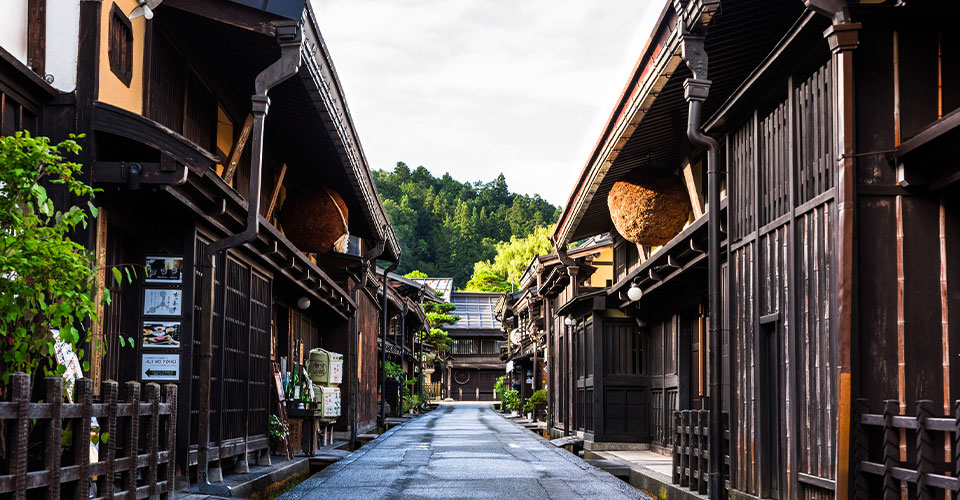
If you are planning a trip to Takayama, one of the most common questions you will face is simple but important: how many days should you stay? At first glance, Takayama looks like a small destination. Compared to cities like Tokyo or Kyoto, it appears compact, manageable, and easy to understand. This often leads travelers to assume that one day is enough.
However, the reality is slightly more nuanced. While it is technically possible to see Takayama in one day, the experience you get from a one-day visit is very different from what you get from staying longer. The right answer depends less on the size of the town and more on how you want to experience it.
For most first-time visitors, the best answer is not about the minimum time required to “cover” Takayama. It is about the amount of time needed to enjoy it properly. This distinction is critical, because Takayama is not a destination built around a checklist of major landmarks. It is a place where atmosphere, food, and pace matter as much as sightseeing itself.
The short answer is this: one day is possible, two days is ideal, and three days is for travelers who prefer a slower, more immersive experience. Understanding why this is the case will help you make a much better decision for your trip.
Quick Answer
1 day: possible, but rushed.
2 days: ideal for most first-time visitors.
3 days: best for slower travelers or those adding nearby regional destinations.
For the full practical route, start here: 2-Day Takayama Itinerary →
Is 1 Day in Takayama Enough?
If you only have one day in Takayama, you can still experience the main highlights. The town is compact, and many of its key attractions are within walking distance. You can explore the old town area, visit the morning market if you arrive early, and enjoy local food such as Hida beef. With careful planning, it is possible to create a satisfying day.
However, a one-day visit usually feels rushed. You will need to move with a clear schedule, and there is limited flexibility to slow down or explore spontaneously. The experience becomes more about covering key spots than enjoying the overall atmosphere. This is especially noticeable in a place like Takayama, where much of the appeal comes from walking, browsing small shops, and taking time to experience the environment.
Another limitation of a one-day visit is timing. The morning market is one of Takayama’s most interesting features, but it requires an early start. If you arrive later in the day, you may miss it entirely. Similarly, meals become more constrained. Instead of choosing where to eat based on mood, you may need to fit food into a tight schedule.
Despite these limitations, a one-day visit can still be worthwhile if your schedule is very tight. It allows you to experience a different side of Japan without significantly extending your trip. However, it should be understood as a compressed version of Takayama rather than a complete experience.
Another practical issue is that a one-day plan often looks better on paper than it feels in real life. A simple list might say “Old Town, market, lunch, maybe one more attraction,” but once you add arrival time, walking, checking in, waiting for food, and ordinary travel fatigue, the margin becomes much smaller than expected.
This matters because Takayama is not the kind of place that rewards speed very well. You can certainly move quickly through it, but doing so removes part of what makes it appealing. The slower you are able to move, the more the town starts to make sense.
Why 2 Days Is Ideal for Most Travelers
For most travelers, staying two days in Takayama is the best option. This is where the destination begins to feel balanced rather than rushed. With two days, you can explore the town at a more natural pace, without constantly watching the clock.
On the first day, you can arrive, walk through the old town, and focus on food. This includes trying Hida beef, exploring local restaurants, and enjoying the atmosphere in the evening. Instead of rushing through multiple locations, you can take your time and let the town’s character become more apparent.
On the second day, you can visit the morning market, which offers a completely different perspective from the previous day. The pace is slower, the environment is quieter, and the focus shifts toward local products and daily life. This creates a more complete understanding of Takayama.

Two days also allow for better flexibility. If the weather changes, or if you want to spend more time in a particular area, you have the freedom to adjust your plans. This flexibility is one of the main reasons why two days feel significantly better than one.
In addition, staying overnight changes the experience itself. Takayama in the evening has a different atmosphere compared to daytime. The streets become quieter, the lighting changes, and the overall mood becomes more relaxed. This is something that day-trip visitors often miss.
Another important factor is how your schedule actually works in practice. When travelers imagine “one day,” they often picture a full and flexible day. In reality, if you arrive from Tokyo or another city, your first day may already be partially reduced by travel time. By the time you check in and begin exploring, it may already be mid-afternoon. That means your “one-day” plan may actually be much shorter than you imagined.
With two days, this problem is greatly reduced. You gain not only an arrival day but also a full morning, which is one of the most valuable parts of Takayama. That combination often makes the destination feel much more complete.
For most first-time visitors, two days is the point where Takayama becomes comfortable rather than compressed. It gives the destination enough space to feel like a place, not just a stop.
When 3 Days in Takayama Makes Sense
For travelers who prefer a slower pace or want to explore beyond the main town area, three days in Takayama can be a good option. This is not necessary for most first-time visitors, but it can add value depending on your travel style.
With three days, you can include nearby destinations such as Shirakawa-go or Kamikochi. These places offer different types of scenery and experiences, from traditional villages to mountain landscapes. Adding a day trip allows you to expand your understanding of the region beyond the town itself.
This is why three days is often best for travelers who enjoy slower, more flexible itineraries. It allows you to combine local exploration with regional excursions without feeling rushed.
At the same time, it is important not to overestimate how much time Takayama itself requires. The town is not large, and most of its main areas can be explored relatively quickly. Adding extra days should be a conscious choice based on your interests, rather than a default assumption.
If you want regional extensions, see: Best Day Trips from Takayama →
1 Day vs 2 Days: The Real Difference
To better understand the difference between one and two days, it is helpful to compare them directly. A one-day itinerary typically focuses on the main highlights. You arrive, walk through the old town, eat, and leave. The experience is efficient but limited.
A two-day itinerary, on the other hand, allows you to experience both the daytime and morning atmosphere. You can explore more gradually, enjoy meals without rushing, and see the town from multiple perspectives. This creates a much more complete and satisfying experience.
This difference is not just about adding more time. It is about changing the rhythm of the visit. Takayama is a place where pace matters, and two days provide the space needed to appreciate that.
Another way to think about it is this: with one day, you mainly confirm that Takayama is appealing. With two days, you actually get to live inside that appeal for a meaningful amount of time. That distinction matters more than many travelers realize before they arrive.
One-day visitors often leave feeling that they saw the town. Two-day visitors are more likely to feel that they understood it.
Why Timing Matters More Than People Expect
Another important factor to consider is how your daily schedule actually looks in practice. When travelers think about one day or two days, they often imagine full, flexible days. In reality, travel timing can significantly affect how much usable time you have in Takayama.
For example, if you arrive from Tokyo around early afternoon, your first day is already partially reduced. By the time you check into your accommodation and start exploring, it may already be mid-afternoon. This means that a one-day plan often becomes even more compressed than expected. You are not working with a full day, but closer to half a day plus the following morning.
This is one of the main reasons why two days feel much more comfortable in practice. With an overnight stay, you effectively gain access to both an afternoon and a full morning. That combination is often enough to experience the town without rushing.
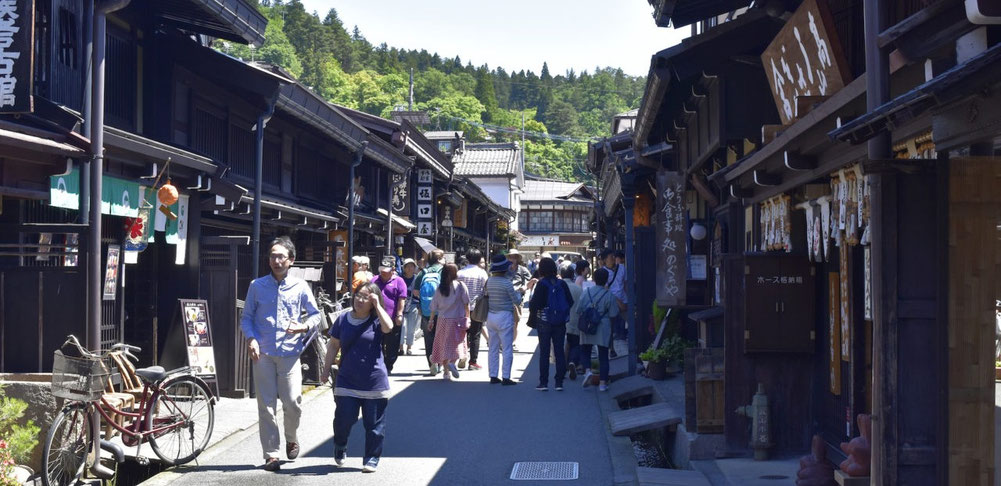
The morning is particularly important in Takayama. The morning market is not just another attraction; it represents a different side of the town. Compared to the daytime old town, which is more oriented toward visitors, the morning market feels closer to everyday local life. Vendors sell fresh produce, handmade goods, and local specialties. The atmosphere is calm and unhurried.
If you only stay one day and arrive late, you may miss this entirely. This is a key difference between a one-day and a two-day visit. It is not simply about seeing more locations. It is about experiencing different moods of the same place.
Meals, Pace, and Why Takayama Rewards Slower Travel
Another practical consideration is meal timing. Takayama is known for its food, but popular restaurants can become busy, especially during peak travel seasons. With only one day, you may find yourself adjusting your schedule around availability. With two days, you have more flexibility to choose where and when to eat.
This flexibility extends to small, unplanned moments as well. In Takayama, some of the most enjoyable experiences come from simple activities such as walking through quiet streets, browsing small shops, or stopping for snacks. These moments are difficult to schedule, but they are easier to enjoy when you are not in a hurry.
It is also useful to think about how energy levels change during a trip. After spending several days in Tokyo, many travelers feel a certain level of fatigue. The city is exciting, but it can also be intense. Takayama often works as a transition point where you can slow down and recover.
In this context, staying two days is not just about seeing more. It is about giving yourself time to reset. A slower pace can improve your overall travel experience, making the rest of your trip more enjoyable.
It is also worth noting that Takayama does not require constant activity to be enjoyable. Unlike larger cities, where you may feel pressure to keep moving, Takayama allows for more relaxed exploration. Sitting in a café, walking without a specific destination, or revisiting an area at a different time of day can all be part of the experience.
This makes the destination particularly well suited for travelers who appreciate slower travel. If you prefer a more structured itinerary with a long list of major attractions, you may find that Takayama feels less dense. However, if you value atmosphere and pacing, this can be a strength rather than a limitation.
How Takayama Fits into a Japan Trip
When planning your trip, it is also important to consider how Takayama fits into your overall itinerary. Many travelers combine Tokyo, Takayama, and Kyoto in a single trip. In this context, two days in Takayama often works very well.
For example, you might spend several days in Tokyo, travel to Takayama for two days, and then continue to Kyoto. This creates a clear contrast between different types of destinations. Tokyo provides the modern city experience, Takayama offers a slower regional atmosphere, and Kyoto delivers a larger historic city.
This is one of the reasons Takayama works so well in longer foreign visitor itineraries. It adds a different rhythm without demanding an excessive amount of time.
If distance is part of your hesitation, read: Is Takayama Too Far from Tokyo? →
If you want the full route after deciding to stay two days, use: 2-Day Takayama Itinerary →
Who Should Choose 1 Day, 2 Days, or 3 Days?
The right number of days also depends on your travel style. If you prefer efficient travel and want to cover multiple destinations, one day may be acceptable. If you value balance and a more relaxed experience, two days is the best choice. If you prefer slow travel and deeper exploration, three days can be worthwhile.
For families or couples, the pace of Takayama can also be an advantage. It is easier to navigate, less crowded than major cities, and more manageable in terms of daily planning. This reduces stress and allows for a more enjoyable shared experience.
When deciding how many days to stay, it can also help to think about what you would regret more. Would you regret leaving too early and feeling that you rushed through the town? Or would you regret staying longer and feeling that you had already seen enough?
For most first-time visitors, the first scenario is more common. Many people underestimate how much they will enjoy the slower pace and end up wishing they had more time. This is another reason why two days is generally the safest recommendation.

Final Recommendation
Ultimately, the question is not just how many days you need, but how you want to experience Takayama. The town rewards those who take their time, but it can still be appreciated in a shorter visit if necessary.
If you expect a relaxed, immersive experience, you should plan for at least two days. If you are comfortable with a faster pace, one day can still be meaningful. If you want to explore the wider region as well as the town itself, three days becomes a logical choice.
Takayama is not a destination that requires a long stay to understand. However, giving it enough time to breathe can significantly improve your experience. For most first-time visitors, two days is the right answer.