Can You Visit Takayama Without a Car? A Practical Guide for First-Time Visitors
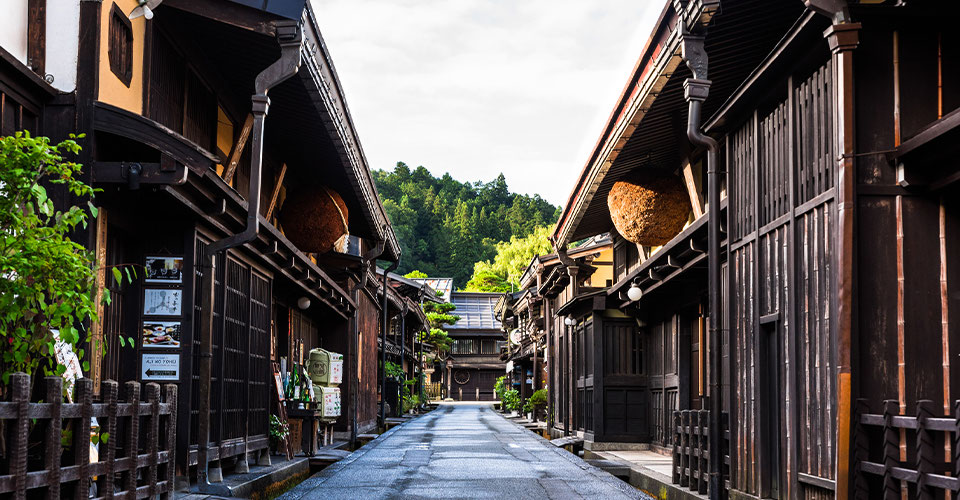
If you are planning a trip to Takayama, one of the most common questions you may have is whether you need a car. Unlike major cities such as Tokyo or Osaka, Takayama is located in a more rural part of Japan, surrounded by mountains and smaller towns. This often creates the impression that a car might be necessary to get around comfortably.
However, the reality is very different from what many travelers expect. Takayama is one of the easiest rural destinations in Japan to visit without a car. For most first-time visitors, not only is a car unnecessary, but relying on public transport and walking often leads to a better overall experience.
The short answer is simple: yes, you can visit Takayama without a car, and for most travelers, this is actually the recommended way to experience the town. The central area of Takayama is compact, walkable, and designed in a way that allows visitors to move easily between major attractions without needing any form of private transportation.
Quick Answer
Yes, easily. Most first-time visitors do not need a car in Takayama.
The town is highly walkable, and the main attractions are close together.
Buses cover some farther spots, and day trips like Shirakawa-go are also possible without driving.
How Walkable Is Takayama?
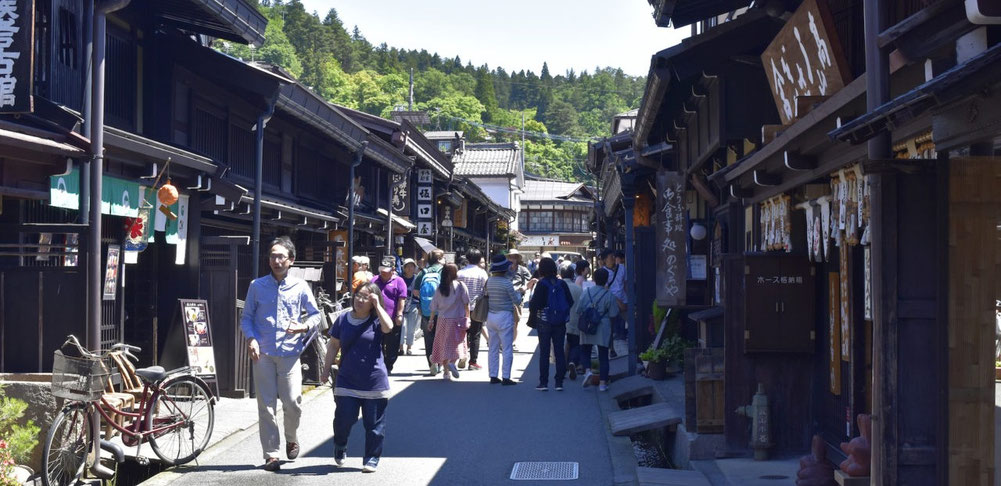
One of the biggest advantages of Takayama is how well its main attractions are concentrated. The old town area, morning markets, restaurants, and many cultural spots are all located within a relatively small radius. From Takayama Station, you can reach most of these places on foot within 10 to 20 minutes. This makes it very different from destinations where attractions are spread out and require constant transport planning.
Walking is not just a practical way to get around in Takayama. It is also an essential part of the experience. The town is known for its preserved streets, traditional wooden buildings, and relaxed atmosphere. Moving through these areas slowly allows you to notice details that would be easy to miss if you were traveling by car. Small shops, local food stalls, and quiet side streets all contribute to the overall experience.
For visitors who prefer a more structured route, walking paths are easy to follow, and the town layout is intuitive. You do not need advanced navigation skills to explore Takayama. Even without detailed planning, it is difficult to get lost in a way that causes problems. Most routes naturally lead back toward the central area.
If you want the most practical walking flow, use: Takayama Walking Route Guide →
Getting Around Takayama Without a Car
In addition to walking, there are also local bus options available. While many visitors find that they do not need to use buses at all, they can be helpful for reaching slightly more distant locations such as Hida no Sato or other cultural sites outside the immediate center. Bus routes are relatively simple, and major stops are clearly marked. However, compared to larger cities, the frequency of buses is lower, so it is useful to check schedules in advance if you plan to rely on them.
Another unique transportation option in Takayama is the use of traditional rickshaws, known as jinrikisha. While not a primary means of transport, they offer a distinctive way to experience the old town area. These human-powered carts are operated by local guides who can provide commentary while taking you through key streets. For visitors who want a more relaxed and guided introduction to the town, a rickshaw ride can be an interesting addition to the experience.
Rickshaws are especially popular in the old town district, where narrow streets and historical surroundings create a suitable environment for this kind of travel. Unlike cars, which would feel out of place in these areas, rickshaws match the atmosphere and allow for a slower, more immersive perspective. While they are not necessary for getting around, they can enhance your understanding of the area and provide a memorable activity.
Important practical point: In central Takayama, walking is usually enough. Buses are useful for a few outlying spots, and rickshaws are optional as a cultural experience rather than a transport necessity.

Suggested Walking Route (No Car Needed)
To better understand how easy it is to explore Takayama without a car, it helps to look at a realistic walking route. The following example shows how you can spend a full day moving entirely on foot, covering the main highlights without any transportation.
Start your day at Takayama Station. From the station, walk toward the old town area, which takes approximately 10 to 15 minutes. The route is straightforward, and signs along the way make navigation easy. As you walk, you will gradually notice the transition from a modern station area to more traditional streets.
Your first destination can be the morning market along the Miyagawa River if you start early. This area is active in the morning and offers a chance to experience local life. You can spend time browsing stalls, trying small snacks, and observing the relaxed atmosphere. Because everything is close together, there is no need to rush.
From the market, continue walking into the Sanmachi Suji old town district. This is one of the most well-preserved areas in Takayama, with traditional wooden buildings, small shops, and local food spots. The distance from the market to this area is only a few minutes on foot. This part of the route is best explored slowly, without a fixed schedule.
After spending time in the old town, you can walk toward Takayama Jinya, a historical government building. The walk takes about 10 minutes and follows a simple, direct route. This stop adds a cultural element to your day and provides a contrast to the shopping and food-focused experience of the old town.
For lunch, you can return toward the central area, where many restaurants are located. Because everything is within walking distance, you have flexibility in choosing where to eat. This is one of the advantages of exploring Takayama without a car. You are not tied to a fixed route and can adjust your plan based on what you find.
In the afternoon, you can either revisit parts of the old town or explore quieter residential streets nearby. These areas are less crowded and offer a different perspective on the town. Walking without a strict destination often leads to small discoveries that are not listed in guidebooks.
If you are interested in a different type of experience, this is also a good time to consider a rickshaw ride. Starting from the old town area, rickshaw guides can take you through key streets while explaining local history and culture. This allows you to experience the same walkable area from a more relaxed and guided perspective.
By the end of the day, you can walk back to Takayama Station or your accommodation without needing any transport. The total distance covered is manageable, and the route naturally connects the main attractions in a logical order.
This example shows that Takayama is not only walkable, but also easy to navigate without detailed planning. The town’s layout allows you to move between key locations naturally, making a car unnecessary for most visitors.
Can You Do Day Trips Without a Car?
When considering transportation in Takayama, it is also important to think about day trips. Many travelers visiting Takayama also want to explore nearby destinations such as Shirakawa-go or Kamikochi. At first glance, these locations might seem difficult to reach without a car. However, in reality, they are well connected by bus services.
Shirakawa-go, a UNESCO World Heritage village, can be reached by direct bus from Takayama. The journey typically takes about 50 minutes to one hour, and buses run multiple times per day. This makes it entirely possible to visit Shirakawa-go as a half-day or full-day trip without needing a car.
Kamikochi, known for its mountain scenery and hiking trails, is also accessible by public transport. While the journey is slightly more complex and may require transfers, it is still manageable for most travelers. Importantly, private cars are restricted in parts of Kamikochi, which means that even those with cars often rely on buses for the final part of the journey.
These examples highlight an important point: in many cases, public transport is not just an alternative to driving, but the standard way of accessing certain destinations. This reduces the advantage of having a car and reinforces the idea that visiting Takayama without one is both practical and efficient.
For the best nearby ideas, see: Best Day Trips from Takayama →

When You Might Actually Want a Car
That said, there are some situations where having a car could be useful. If you plan to explore more remote rural areas that are not well connected by public transport, a car can provide greater flexibility. This might include visiting smaller villages, scenic routes, or less-visited locations outside the main tourist areas.
However, for most first-time visitors, these types of trips are not essential. The core Takayama experience, including the old town, food culture, and nearby day trips, can be fully enjoyed without a car. In fact, adding a car can sometimes create unnecessary complexity, such as parking, navigation, and dealing with unfamiliar driving rules.
Another factor to consider is the nature of travel in Japan more broadly. Many international visitors rely entirely on trains and public transport throughout their trip. Takayama fits naturally into this pattern. The journey to Takayama itself is usually done by train, and continuing to rely on public transport once you arrive keeps the experience consistent and straightforward.
Common Mistakes First-Time Visitors Make
A common mistake among first-time visitors is to assume that rural areas automatically require a car. While this may be true in some countries, Japan’s infrastructure is different. Even smaller destinations are often well connected and designed to accommodate visitors without private transportation.
In Takayama specifically, this assumption can lead to unnecessary stress. Travelers may spend time researching car rentals, worrying about driving conditions, or questioning their itinerary, when in reality none of these concerns are necessary. Understanding that Takayama is accessible without a car can simplify planning significantly.
It is also worth considering how travel style affects this decision. If you prefer a relaxed, walkable experience where you can move at your own pace, Takayama is an excellent match. The town rewards slow exploration and does not require constant movement between distant locations.
For families or couples, not needing a car can also reduce stress. There is no need to navigate unfamiliar roads, find parking, or manage driving logistics. Instead, you can focus on enjoying the destination itself.
Final Answer
Another advantage of not using a car is that it allows you to engage more directly with the environment. Walking through the town, using local transport, and even trying experiences like rickshaw rides all contribute to a deeper sense of place. This is often lost when traveling primarily by car.
Ultimately, the question is not just whether you can visit Takayama without a car, but whether you should. For most travelers, the answer is yes. The town is designed in a way that makes walking and public transport not only sufficient, but preferable.
If your itinerary includes Takayama as part of a larger trip, you can confidently plan your visit without considering a car. Focus instead on how you want to spend your time in the town, what experiences you want to prioritize, and how to structure your stay.
For most first-time visitors, this approach leads to a smoother, more enjoyable trip. Takayama’s compact layout, accessible transport options, and walkable environment all support a car-free visit. Rather than being a limitation, not having a car often becomes an advantage.
Write a comment