Takayama vs Kyoto: Which Should You Visit in Japan?
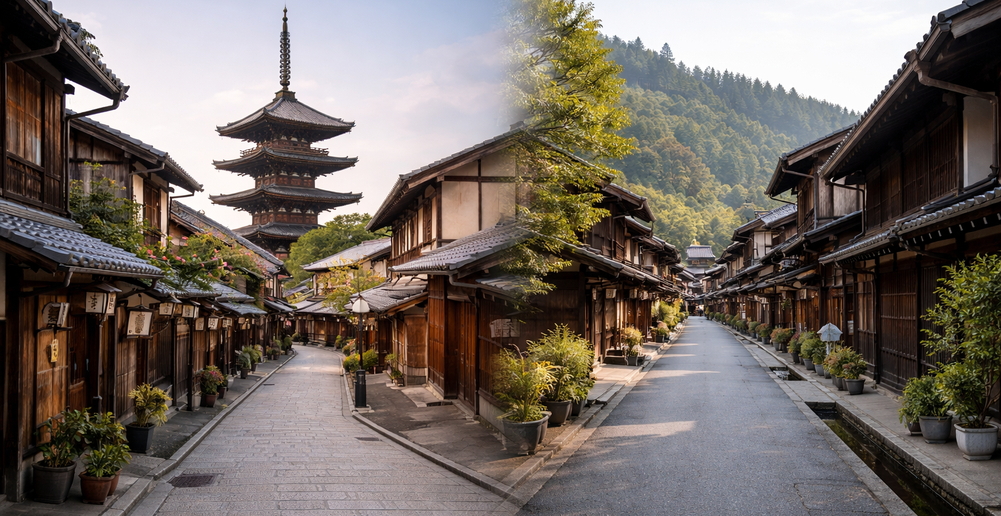
If you are planning a trip to Japan and want at least one destination with a more traditional atmosphere, you will almost certainly compare Kyoto and Takayama. That comparison is completely understandable. Both places are associated with old streets, wooden buildings, local culture, and a version of Japan that feels very different from modern Tokyo. However, while they are often placed in the same mental category by first-time visitors, the actual experience they offer is not the same.
Kyoto is one of Japan’s most famous destinations for a reason. It has major temples, shrines, gardens, famous districts, and a long-established place in the standard first trip to Japan route. Takayama is smaller, quieter, and more compact. Instead of feeling like a city with endless famous sights to cover, it feels more like a regional destination that can be understood and enjoyed in a shorter, calmer, and more concentrated way.
That difference matters because many travelers are not really asking which place is better. They are asking a more personal question: which place fits the kind of trip I want? Some want a high-profile cultural city with famous landmarks and broad sightseeing variety. Others want a slower destination with a strong sense of place, less pressure, and a more manageable rhythm. Kyoto and Takayama can both satisfy a search for traditional Japan, but they do so in very different ways.
This guide compares Kyoto and Takayama in practical terms. It focuses on atmosphere, crowds, accessibility, food, time needed, and the kind of traveler each destination usually suits best. The goal is not to declare one universal winner. The goal is to help you make a clearer and smarter decision for your own trip.
Quick Answer (For Busy Travelers)
Choose Kyoto if: you want the most famous historic city in Japan, major temples and shrines, more sightseeing variety, and a destination that fits easily into a classic first-time route.
Choose Takayama if: you want a smaller, quieter, more walkable place with traditional streets, regional food, and a slower pace.
Choose both if: you have enough time in Japan and want contrast rather than repetition. Many foreign travelers do both very successfully.
For a full Takayama overview, start here: 2-Day Takayama Itinerary →
1) Overview: How Kyoto and Takayama Are Different
The most useful place to start is scale. Kyoto is a large historic city. Takayama is a small regional town. That sounds simple, but it influences almost every practical part of the trip.
Kyoto offers breadth. You can spend multiple days there and still feel that you only saw part of it. The city contains many famous sites, multiple districts with different character, and enough variety to satisfy travelers who want a classic cultural city break in Japan. It is one of the country’s most recognizable destinations, and that makes it easy to understand why so many first-time visitors place it high on their list.
Takayama offers concentration. Instead of giving you a huge list of world-famous sights spread across a larger city, it gives you a compact destination where traditional streets, food, markets, and nearby attractions connect more naturally. It feels less like a city you must cover and more like a place you can absorb. For some travelers, that is a major advantage.
Another difference is how each place uses your energy. Kyoto often rewards ambition, planning, and multiple days of movement between districts. Takayama often rewards slowness, observation, and a willingness to let the town’s atmosphere do some of the work. Neither is inherently better, but they create very different kinds of travel days.
This is why the comparison is more subtle than many first-time travelers expect. Kyoto and Takayama are not simply two versions of the same product at different sizes. They represent different travel styles inside the broader category of traditional Japan.
2) What Kind of Experience Do You Want?
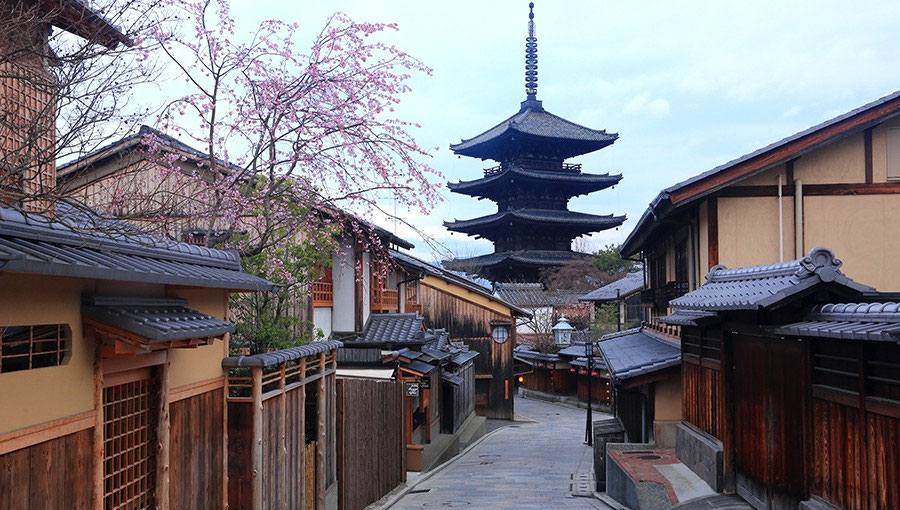
This is the core question. If you understand the type of experience you want, the decision becomes far easier.
Kyoto is best understood as the iconic historic-city experience. It is for travelers who want famous temples, major cultural landmarks, traditional districts with global recognition, and the feeling of being in one of Japan’s most important historic destinations. There is a reason it appears in so many standard itineraries: it offers a huge amount of cultural value, and that value is easy to explain even before you arrive.
When you choose Kyoto, you are often choosing range. You can build days around shrines, temple complexes, scenic streets, gardens, and different parts of the city that each have their own tone. If you enjoy destinations where you can keep uncovering more layers, Kyoto is very strong.
Kyoto is also strong for travelers who find reassurance in famous names. Some people simply enjoy knowing that the sites they are visiting are among the most historically significant and visually recognizable in the country. For them, the emotional value of Kyoto is tied not only to beauty but also to symbolic importance. That can be a completely valid reason to choose it.
Takayama is a different kind of traditional experience. It is less about city-wide cultural breadth and more about atmosphere, pace, and a stronger regional identity. You are not coming for endless landmark density. You are coming for old-town streets, local food, a more intimate feel, and a destination that is easy to understand without constant route optimization.
That makes Takayama especially appealing for travelers who care about emotional tone as much as sightseeing quantity. It is very good for people who want to feel a place, not just do it. Because the town is smaller, the experience often feels more coherent. You can walk, eat, browse, and rest without the same sense of being inside a giant cultural checklist.
Another useful way to frame it is this: Kyoto often feels like a destination where you are moving through many famous parts of a historic city. Takayama often feels like a destination where the town itself is the experience. For some travelers, that difference is everything.
3) Crowds and Atmosphere
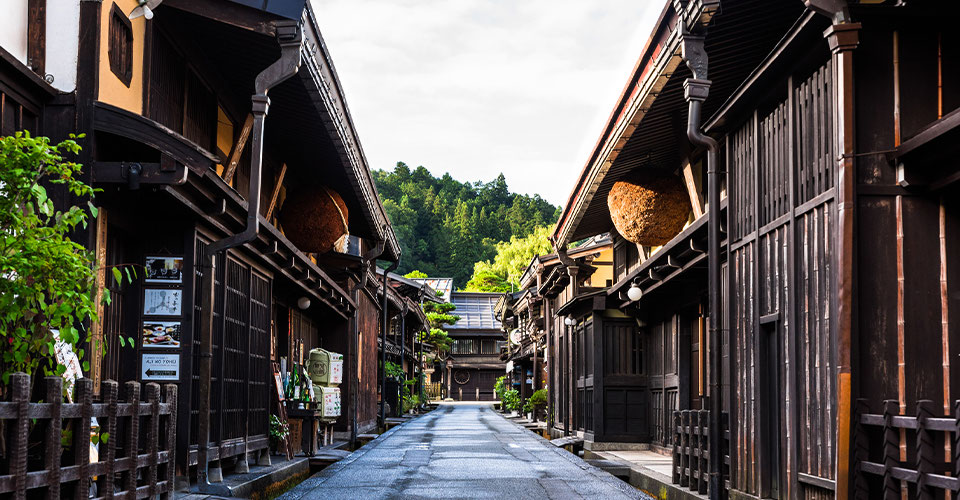
Crowds are one of the most practical reasons people compare Kyoto and Takayama.
Kyoto’s popularity is part of its strength, but it is also part of its cost. Famous places attract people, and Kyoto has many of Japan’s most famous cultural sites. Depending on the season, the district, and the time of day, this can create a real sense of pressure. Many travelers still find Kyoto deeply worthwhile despite that. But the crowd factor is not a small detail. It shapes the trip.
For some people, this is completely acceptable. They want the major historic city, and they understand that popularity comes with the territory. For others, it can become the main source of friction. They imagined serene lanes and quiet temple views, but what they experience is a city that often requires stronger timing strategy and more patience.
Takayama usually feels more manageable. That does not mean empty. It is a well-known destination, and certain places still get attention. But compared to Kyoto, it often feels calmer, easier to read, and less saturated by constant high-profile tourism. That difference can have a powerful effect on how traditional the destination feels emotionally.
This is especially important because many travelers say they want traditional Japan, but what they really want is not only architecture or history. They want a certain mood: slower pace, less pressure, more room to breathe, more chance to feel present. Takayama often delivers that more consistently than Kyoto.
In short, Kyoto usually wins on fame and scale. Takayama often wins on calm and manageability. If crowd stress matters a lot to you, that can change the answer very quickly.
4) Accessibility and Travel Time
Access is one of Kyoto’s clearest advantages. It sits naturally within the classic Tokyo, Kyoto, Osaka travel route and is very easy for foreign travelers to understand as part of a first visit to Japan. If you want a destination that drops neatly into a standard itinerary, Kyoto is a very comfortable choice.
Takayama requires more intention. It is not difficult in any extreme sense, but it is more of a deliberate addition. You usually choose Takayama because you specifically want what Takayama offers, not because it automatically appears in every standard route.
This difference influences who chooses each place. Travelers with short trips often feel safer with Kyoto because the logic is immediate. Tokyo, then Kyoto, perhaps Osaka: the route is familiar, and it feels efficient. Takayama tends to attract people who are willing to make a more thoughtful regional choice because they want a different kind of experience.
However, it is important not to exaggerate this issue. For many foreign visitors, especially those staying in Japan for a week or more, adding Takayama is absolutely realistic. A lot of long-haul travelers do not think in the same way as domestic short-break travelers. They are not trying to minimize every intercity move. They are trying to create contrast and variety across a longer trip.
This is why Tokyo plus Takayama can be very realistic, and so can Tokyo plus Takayama plus Kyoto. The real question is not whether Takayama is technically possible. It is whether the experience you get there justifies the more deliberate travel choice. For many travelers, the answer is yes.
If you are starting from a Tokyo-based plan, this article can help frame the broader route: Tokyo Itinerary for First-Time Visitors →
5) How Many Days Do You Need?
Time requirement is one of the most practical comparison points because it affects not only your destination choice but your entire Japan route.
Kyoto usually needs more time. A short visit can still be meaningful, but most travelers benefit from at least two full days, and many could easily use three or four. The city has enough districts and major sights that compressing it too hard often creates frustration. Kyoto is not difficult because there is too little to do. It is difficult because there is too much.
Takayama is often far easier to fit into a broader trip. One night and two days is enough for a strong first visit in many cases. That time frame can cover the old town, local food, the morning market, and one or two nearby highlights without making the trip feel rushed. For many international visitors, that efficiency is a major point in Takayama’s favor.
This means the two destinations serve different itinerary roles. Kyoto is often a major pillar destination. Takayama is often a high-value smaller stop. If you are trying to balance Tokyo with another destination and you do not want the second stop to consume too much of the total trip, Takayama can make more sense.
On the other hand, if your trip goal is to give one historic city a large amount of time and energy, Kyoto is often the stronger candidate. It rewards bigger time investment more naturally than Takayama does.
This also matters for pacing. Some travelers feel that after Tokyo they want a destination that is easier on the mind and body. Takayama often fits that role beautifully. Kyoto, by contrast, often becomes a second major sightseeing engine. That is not a weakness, but it does create a different travel rhythm.
For a realistic first stay in Takayama, use: 2-Day Takayama Itinerary →
6) Food Experience
Food is one of Takayama’s strongest arguments in this comparison.
Kyoto absolutely has excellent food, wide range, and deeper overall city-level variety. It is a larger destination and naturally supports a broader culinary scene. If you are the kind of traveler who wants a big city with many different dining styles, Kyoto can satisfy that very well.
Takayama’s advantage is not scale. It is concentration and identity. The town has a very clear local-food character. Hida beef, regional ramen, small local specialties, and a food experience that fits naturally into walking around the town all make Takayama feel especially strong for travelers who want to understand a place through what it tastes like.
This is not just about good restaurants. It is about how easily food integrates into the destination. In Takayama, local food is not a side activity. It is one of the core ways the town is experienced. The scale helps with that. You can move between sights and meals naturally rather than planning food as a separate logistical project.
For travelers who care about distinct regional food rather than sheer culinary variety, Takayama often feels more satisfying than they expect. In some cases, that food clarity becomes one of the strongest reasons people remember the town so warmly afterward.
Kyoto’s culinary strength is more urban and layered. Takayama’s strength is more local and immediately legible. If you want dining range, Kyoto is stronger. If you want a regional place whose food identity is easy to understand and memorable in a short stay, Takayama is extremely strong.
For Takayama’s broader food picture, use: What to Eat in Takayama →
For the strongest premium angle, use: Best Hida Beef Restaurants in Takayama →
7) Which One Should You Choose?
If you want the safest classic answer, choose Kyoto. It is more famous, easier to insert into a first trip, and stronger if you want a major historic city with lots of headline cultural sights.
If you want a slower, more manageable, more regionally distinctive stop, choose Takayama. It is especially strong if you want a clearer contrast with Tokyo or if you know that large, crowded historic cities are not your ideal pace.
If your trip is short and you only want one traditional destination, think honestly about your own style. Are you more likely to regret missing one of Japan’s most famous historic cities? Or are you more likely to value a smaller place that feels calmer and easier to enjoy?
This is also where expectations matter. Some travelers choose Kyoto and then feel surprised by how large and busy it is. Others choose Takayama and then realize they love the fact that it feels complete in a smaller frame. The best answer depends on which of those reactions is more likely to be yours.
A useful self-check is this. If your version of a great trip is built around famous landmarks, layered city exploration, and classic cultural symbolism, Kyoto is probably your answer. If your version of a great trip is built around pace, atmosphere, walkability, and regional food, Takayama is probably your answer.
8) Can You Visit Both?
Yes, and for many foreign travelers it is completely realistic.
This is where international travel patterns matter. Someone taking a short domestic-style break may feel that combining Tokyo, Takayama, and Kyoto sounds too ambitious. But many foreign visitors stay in Japan for 7 to 14 days, sometimes longer. In that context, combining a major city, a regional town, and a major historic city is entirely normal.
The reason this works is that Kyoto and Takayama do not duplicate each other as much as people sometimes assume. Kyoto gives scale, famous heritage, and a large cultural city. Takayama gives pace, smaller-town atmosphere, and a more regional version of traditional Japan. Together, they create contrast rather than repetition.
A route such as Tokyo to Takayama to Kyoto can work very well because the rhythm changes meaningfully across the trip. You move from giant metropolis to slower traditional town to major cultural city. That kind of shift often makes the overall itinerary feel richer, not more chaotic.
If you are planning to visit both Takayama and Kyoto in the same trip, transportation becomes an important factor. In many cases, long-distance travel in Japan is easier than it looks, especially when using the train network efficiently.
For longer routes that include multiple cities, understanding whether a rail pass makes sense can help you simplify your planning and reduce costs. This is especially relevant if your trip includes Tokyo, Takayama, and Kyoto in one route. How to Use the Japan Rail Pass Effectively →
So yes, you can absolutely visit both. The more useful question is whether doing both improves the shape of your trip. For many travelers, it does.
9) Seasons and Scenic Appeal
Seasonality can also influence the decision.
Kyoto is famous in every season, but that fame often increases pressure during the most photogenic times. Cherry blossom season and autumn foliage can be extremely beautiful, but they also bring stronger demand and more crowd intensity. That does not reduce Kyoto’s value, but it changes the experience.
Takayama also benefits from seasonality, but often in a more intimate way. Spring and autumn are attractive, winter gives the town a slower and more atmospheric mood, and seasonal changes often feel easier to absorb because the destination is smaller and more concentrated.
This means Kyoto often wins on headline seasonal fame, while Takayama often wins on seasonal atmosphere relative to stress. If you are very crowd-sensitive, that difference can become decisive.
Season also changes what kind of photography and walking experience you are likely to have. In Kyoto, peak scenic seasons can make famous areas feel especially competitive. In Takayama, peak seasons often feel more like a mood shift than a capacity stress test. That is another small but meaningful reason some travelers end up preferring Takayama more than they expected.
10) Which Type of Traveler Does Each Place Suit Best?
Kyoto tends to suit travelers who like classic cultural capitals, major landmarks, and a wider set of sightseeing options. It is a good fit for people who want a high-confidence, high-recognition destination and who are comfortable with a busier, bigger experience.
Takayama tends to suit travelers who like smaller destinations, walkable layouts, stronger regional identity, and a trip that feels less like constant itinerary management. It is especially good for people who want contrast after Tokyo or who value food and atmosphere as much as major landmark count.
Couples, slower travelers, food-focused travelers, and people who say they want somewhere traditional but manageable often respond especially well to Takayama. Travelers who want to make sure they cover one of the country’s major cultural cities often respond especially well to Kyoto.
Travelers who are easily stressed by dense sightseeing logistics may also find Takayama more comfortable. Travelers who enjoy having many possible ways to spend each day may find Kyoto more rewarding. Again, the point is not to rank them on one scale. The point is to match destination character to traveler character.
11) Final Recommendation
Choose Kyoto if you want the famous classic and are comfortable with a larger, busier, more high-profile destination.
Choose Takayama if you want something smaller, calmer, more walkable, and more regionally distinctive.
Choose both if your trip is long enough and you want a better contrast between different kinds of Japan.
Kyoto is the easier default. Takayama is often the more interesting surprise. The right answer depends on what kind of traveler you are and what kind of rhythm you want your trip to have.
Summary
Kyoto and Takayama both fit the broad idea of traditional Japan, but they do so in very different ways. Kyoto is larger, more famous, more wide-ranging, and more crowded. Takayama is smaller, quieter, more compact, and often easier to enjoy at a slower pace. Kyoto usually fits the classic first-time route more easily. Takayama often fits travelers who want a calmer regional destination with strong food and atmosphere.
Once you understand that distinction clearly, the choice becomes much easier.