What Most Travelers Get Wrong About Takayama (Common Misconceptions Explained)
Takayama is one of those destinations that many travelers misunderstand before they arrive. Because it is smaller than Tokyo or Kyoto, located in the mountains, and often described as “traditional” or “rural,” people tend to make quick assumptions about what the town is like. They assume it is hard to reach, hard to navigate, hard for foreign visitors, or too small to justify a stop. In practice, many of those assumptions are wrong.
This matters because the quality of a trip is often shaped by expectations before the trip even begins. If you assume Takayama is difficult, you may skip it. If you assume one day is enough, you may rush it. If you assume restaurant reservations are unnecessary, you may miss the meal you actually wanted.
This guide explains the most common misconceptions travelers have about Takayama and what is actually true instead.
Quick Answer
Most travelers make Takayama seem harder than it really is.
It is easier to reach than it looks, easier to explore than people expect, and better when you plan it correctly.
1. Misconception: “Takayama is too far and difficult to reach”
Reality
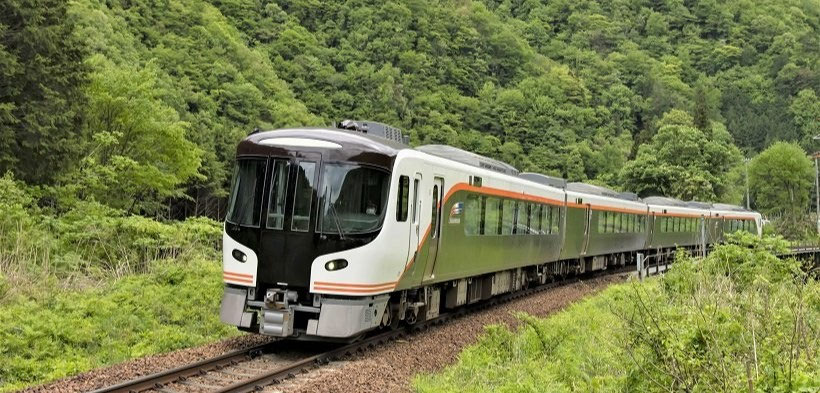
Takayama is easier to reach than many people expect. It is not “next door” to Tokyo, but it is also not a difficult or unusual destination in practical terms.
What Actually Happens
- Most travelers use a simple train route via Nagoya.
- The journey from Tokyo usually requires just one transfer.
- The route is common, reliable, and easy to understand once you see it clearly.
Example
- Tokyo Station → Nagoya Station by Shinkansen
- Nagoya Station → Takayama Station by Limited Express Hida
- Travelers who worry in advance often find the route much smoother than expected once they do it.
Related: Is Takayama Too Far from Tokyo? →
2. Misconception: “You need a car to explore Takayama”
Reality
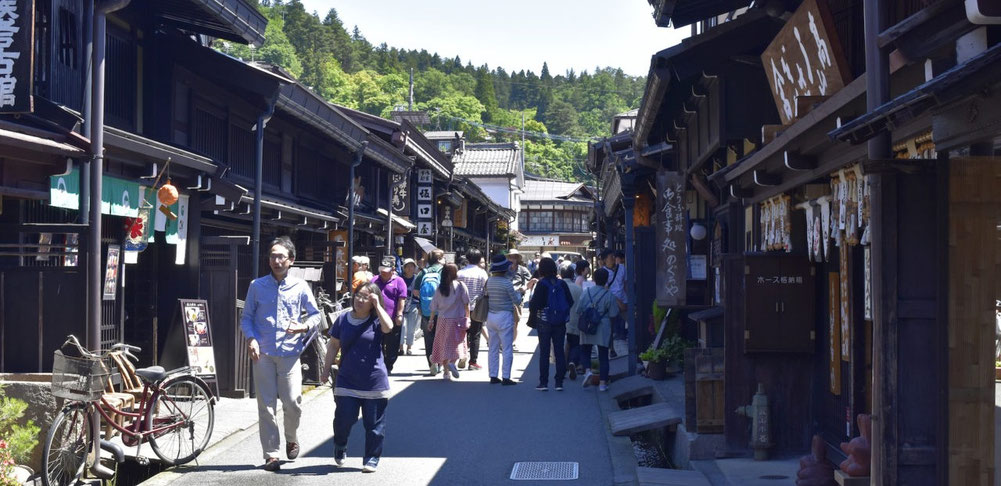
For most first-time visitors, a car is unnecessary. Takayama is compact, highly walkable, and easier to explore on foot than many larger tourist cities.
What Actually Happens
- The station, old town, morning market, and many restaurants are close together.
- Most major sights in the central area are reachable within roughly 10–20 minutes on foot.
- Local buses are useful for a few outlying spots, but not necessary for a standard first visit.
Example
- Takayama Station → Morning Market → Sanmachi Suji → Takayama Jinya → dinner can all be done without any car.
- Many visitors discover that parking and driving would only add friction to an otherwise simple day.
- Even experiences like rickshaw rides fit the town better than private driving in the historic core.
Related: Can You Visit Takayama Without a Car? →
3. Misconception: “One day is enough”
Reality
One day is possible, but often compressed. For most first-time visitors, two days gives a much better balance between efficiency and experience quality.
What Actually Happens
- A one-day visit usually focuses on highlights only.
- Travel time into and out of Takayama reduces the usable sightseeing window.
- Staying overnight adds important experiences, especially morning and evening atmosphere.
Example
- Day-trip style visits often miss the quieter evening streets.
- Short visits can also miss the morning market if arrival timing is not ideal.
- Travelers who stay one night usually report a more complete and less rushed impression of the town.
Related: How Many Days in Takayama? →
4. Misconception: “Takayama is difficult for foreign visitors”
Reality
Takayama is tourist-friendly for most foreign visitors. It is not as internationally optimized as Tokyo, but it is still easy to navigate and manage with basic preparation.
What Actually Happens
- Basic English support is common in hotels, major restaurants, and tourist-facing places.
- Communication quality varies by business.
- The town’s small scale reduces the need for complex interactions.
Example
- Hotels often handle check-in and basic travel questions in English.
- Restaurants may offer English menus even when spoken English is limited.
- Visitors who expect “basic but workable” support are usually comfortable.
Related: Is Takayama Tourist-Friendly for Foreign Visitors? →
5. Misconception: “You can just walk into any restaurant”
Reality
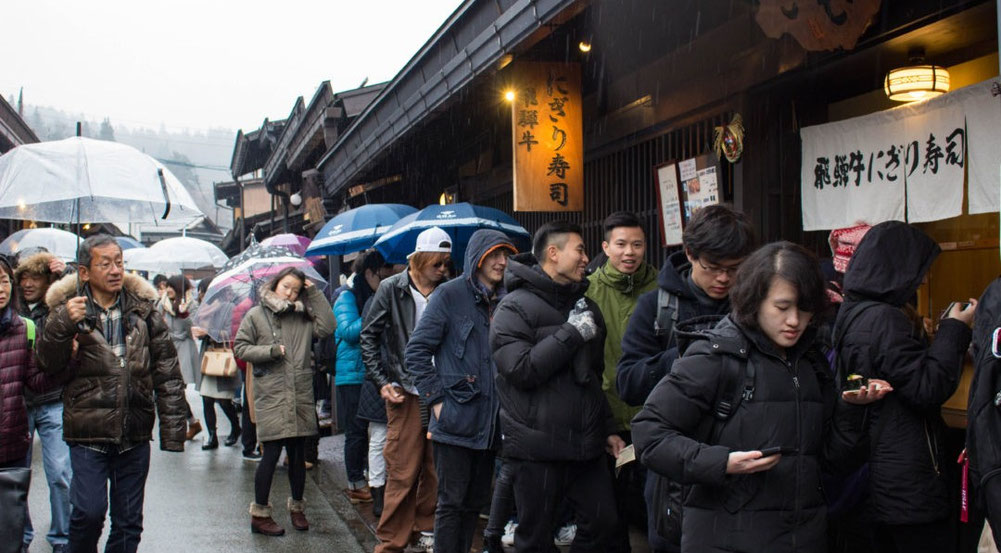
Some restaurants are easy to enter casually, but others — especially popular places, small places, or sought-after Hida beef restaurants — can fill up quickly. If a restaurant accepts reservations, booking ahead often makes the whole experience smoother.
What Actually Happens
- Many restaurants do offer English menus.
- Spoken English levels vary from place to place.
- Reservations reduce uncertainty, waiting, and communication friction.
Example
- A traveler may plan around a specific Hida beef dinner, then find the restaurant fully booked.
- A walk-in request may require more explanation if staff English is limited.
- A reserved guest usually arrives, checks the booking name, and is seated with minimal friction.
Related: What to Eat in Takayama →
And for premium dining: Best Hida Beef Restaurants in Takayama →
6. Misconception: “There’s not much to do”
Reality
Takayama has a high concentration of experiences in a compact area. The value is not in sheer scale but in how naturally its different elements fit together.
What Actually Happens
- You can combine streets, markets, food, cultural sites, and evening atmosphere in a short radius.
- The town rewards walking and pacing more than attraction-counting.
- Nearby regional options add depth if you want more than the town itself.
Example
- A single stay can include the morning market, old town walk, Hida beef meal, Takayama Jinya, and an evening stroll.
- A longer stay can add nearby destinations like Shirakawa-go.
- Travelers who under-plan often miss how naturally the experiences connect.
Related: 2-Day Takayama Itinerary →
And for a walking-first approach: Takayama Walking Route Guide →
7. Misconception: “Day trips are difficult without a car”
Reality
Some of the most popular day trip destinations from Takayama are designed to be reached by bus or public transport. Not having a car usually does not block the most common regional extensions.
What Actually Happens
- Direct bus access is available for major destinations like Shirakawa-go.
- Public transport is often the normal visitor method, not a backup option.
- Some destinations are easier to manage by bus than by private car.
Example
- Takayama → Shirakawa-go is a routine bus day trip for foreign visitors.
- Kamikochi is also commonly reached through public transport combinations.
- Travelers who expect “car only” access are usually surprised by how straightforward the system is.
Related: Best Day Trips from Takayama →

Final Thought
Takayama is not a difficult destination. It is a misunderstood one. Most of the anxiety travelers feel before going comes from assumptions that sound reasonable but do not match what actually happens on the ground.
If you correct those assumptions, Takayama becomes much easier to plan and much easier to enjoy. It is reachable, walkable, manageable, rewarding, and far more visitor-friendly than many people initially expect.
In that sense, the smartest way to prepare for Takayama is not to treat it as a difficult rural destination. It is to treat it as a place that becomes simple once you understand what it really is.
Write a comment