Taking a Taxi in Japan: What Travelers Should Know
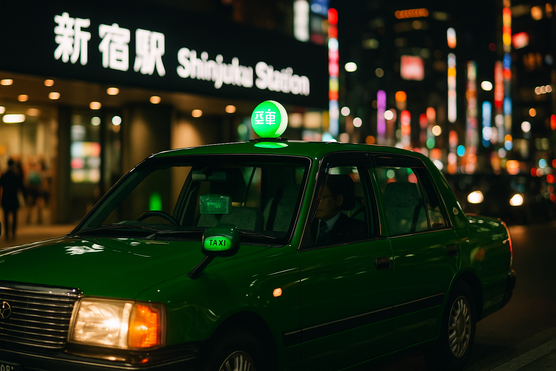
Introduction – Taxis in Japan Are Different
Japan is famous for its trains and buses, but sometimes, the easiest way to travel is by taxi. Whether it’s a late-night ride after trains stop, getting to your hotel with luggage, or traveling with family, taxis in Japan are clean, safe, and reliable. However, there are unique rules and customs every traveler should know before hailing a cab.
Why Take a Taxi in Japan?
- Convenience: Door-to-door service, especially with luggage.
- Late night: Essential after trains stop around midnight.
- Accessibility: Helpful for elderly travelers or those with mobility needs.
- Rural travel: Sometimes the only option outside big cities.
How to Find a Taxi
- Taxi Stands: Found near stations, hotels, and airports. Line up and wait for the next available car.
- Hailing on the Street: Look for taxis with a green “空車” (vacant) sign. Raise your hand slightly to signal.
- Taxi Apps: JapanTaxi and GO app are popular. Uber operates in some Japanese cities.
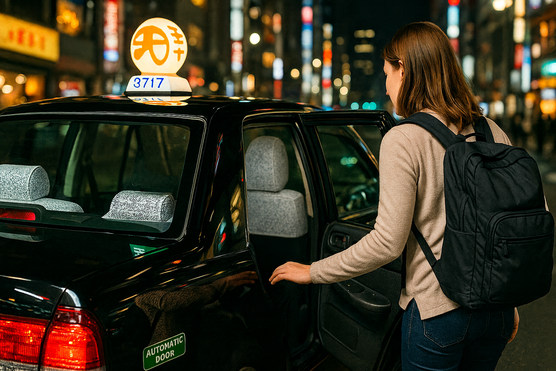
Entering the Taxi – Automatic Doors
Japanese taxis have automatic rear doors controlled by the driver. Do not open or close the door yourself. Sit in the back unless traveling with multiple people.
Communication with Drivers
Most drivers do not speak fluent English. Show your destination on Google Maps or a written address. Hotel business cards with addresses are very useful.
Taxi Fares in Japan
- Base Fare: Around ¥420–¥500 for the first 1–2 km (varies by city).
- Distance + Time: Meter increases with distance and slow traffic.
- Night Surcharge: Extra 20% after 10pm or 11pm.
- Airport Flat Rates: Many taxis offer fixed prices between airports and central Tokyo.
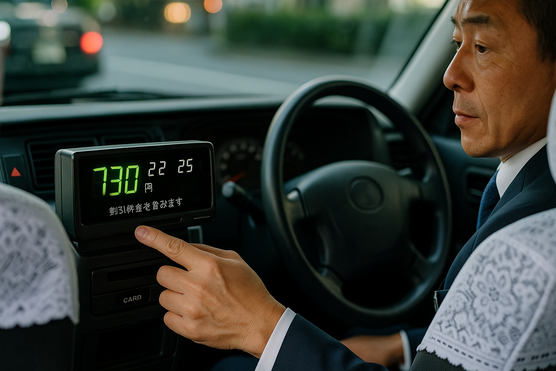
Paying for a Taxi
Cash is always accepted. IC Cards (Suica, Pasmo, ICOCA) are increasingly common. Credit Cards are accepted in most urban taxis. Some taxis even accept QR code payments.
Luggage and Accessibility
Taxis can fit 2–3 suitcases in the trunk. Larger groups can request “jumbo taxis.” Wheelchair-accessible taxis exist in major cities.
Etiquette Tips for Tourists
- Enter through the rear left door.
- Do not slam doors—the driver controls them.
- Buckle up (mandatory in Japan).
- Eating or drinking is generally discouraged.
When Not to Take a Taxi
- Rush hour in Tokyo: Traffic jams can make it slower than trains.
- Long-distance travel: Expensive compared to Shinkansen.
- Peak times (rainy days, holidays): Availability is limited.
How Our Service Helps
While we don’t book taxis directly, we guide travelers on the best ways to reach their reserved restaurants. Knowing when and how to use taxis ensures you arrive comfortably and on time.
Conclusion
Taxis in Japan are safe, reliable, and a convenient option for certain situations. By understanding automatic doors, fare systems, and etiquette, travelers can ride confidently.
👉 Let us handle your restaurant reservations—while you travel stress-free by taxi when needed.
Related Articles: Smart Tips for Getting Around Japan
- 🗾 Transportation in Japan: The Complete Guide for Tourists
All-in-one overview of trains, buses, taxis, IC cards, and passes. - 🚆 How to Use Tokyo’s Trains: Complete Guide for Tourists (Metro, JR, Suica & Transfers)
Navigate JR and Metro like a local with clear transfer tactics. - 💳 How to Use IC Cards in Japan (Suica, PASMO, ICOCA)
Tap-and-go for trains, buses, vending machines, and shops. - 🚄 How to Take the Shinkansen in Japan: Step-by-Step Guide
Tickets, seat types, boarding flow, and oversized baggage rules. - 🧳 How to Use Coin Lockers in Japan: Step-by-Step Guide for Tourists
Find lockers, pay by cash or IC card, and retrieve easily with QR or PIN code. - 📶 How to Use Free Wi-Fi & SIM/eSIM in Japan
Best options for eSIM, pocket Wi-Fi, and reliable hotspots. - 🚻 How to Use Japanese Public Restrooms (Etiquette & Tips)
Washlet buttons, squat toilets, and accessibility features. - 📞 Emergency Numbers in Japan: Police, Fire & Ambulance
110 / 119 and English-speaking hotlines you should save. - 🧭 What to Do if You Get Lost in Tokyo
Step-by-step actions, helpful phrases, and the right apps. - 🔌 How to Charge Your Phone & Use Power Plugs in Japan
Plug types, voltage, free charging spots, and CHARGE SPOT rental guide. - 🏨 First-Time Travel to Japan: 20 Essential Tips Every Visitor Should Know
Comprehensive travel advice — from trains and cash to culture and safety.