How to Use Tokyo’s Trains: Complete Guide for Tourists (Metro, JR, Suica Tips & Transfers)
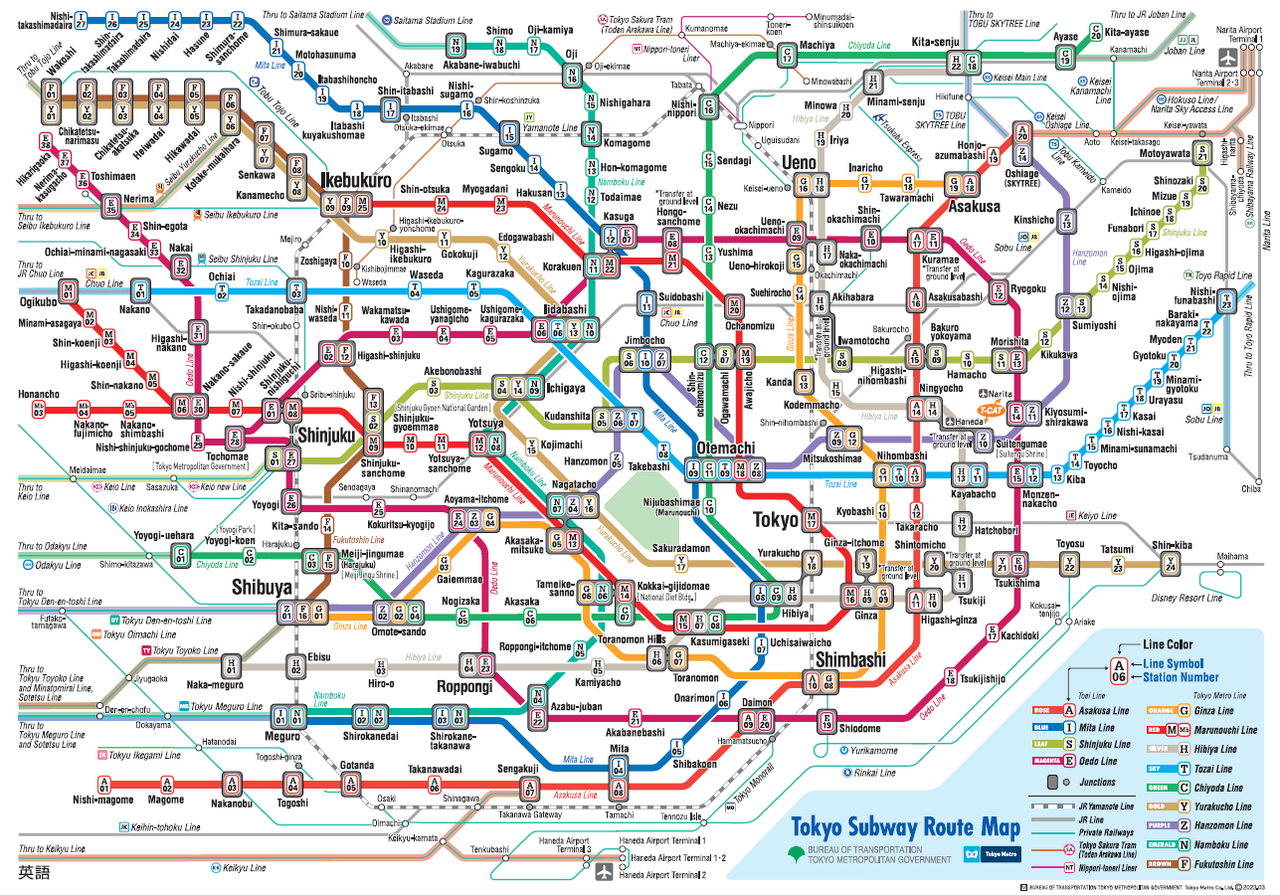
Tokyo’s train system is famous worldwide for its speed, punctuality, and complexity. With hundreds of lines, thousands of stations, and multiple operators, navigating it can feel intimidating to first-time visitors. This comprehensive guide will help you travel like a local — from understanding JR and Metro systems to mastering Suica cards, ticket machines, and key travel etiquette.
1. Why Tokyo’s Train System Is Unique
Tokyo’s train network is one of the largest and most efficient in the world. It consists of multiple private and public operators working together seamlessly. Trains arrive every few minutes, covering even the smallest neighborhoods. However, the abundance of routes and overlapping services can be confusing for newcomers — which is why understanding the basics is key before your first ride.
2. JR, Tokyo Metro, and Toei Subway — What’s the Difference?
Tokyo’s rail system is divided into several main networks, each operated by a different company:
- JR Lines (Japan Railways): Includes the famous Yamanote Line — a green circular route connecting major stations like Shibuya, Shinjuku, and Ueno.
- Tokyo Metro: Covers nine major lines such as Ginza, Marunouchi, and Hibiya Lines, ideal for central Tokyo travel.
- Toei Subway: Operated by the Tokyo Metropolitan Government; connects less touristy or governmental areas.
Tip: A single ticket usually cannot cross between JR and Metro systems. If your route changes from JR to Metro, you’ll pass through transfer gates and may pay a small additional fare.
3. Suica & PASMO: Contactless Cards for Easy Travel
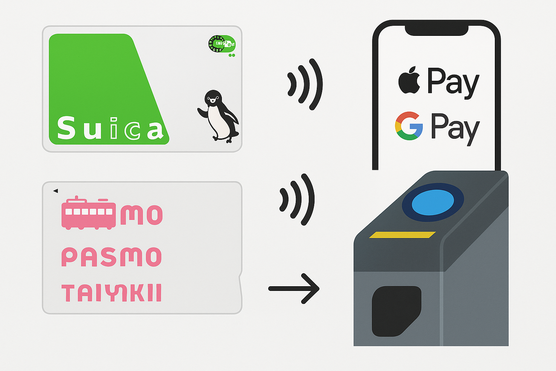
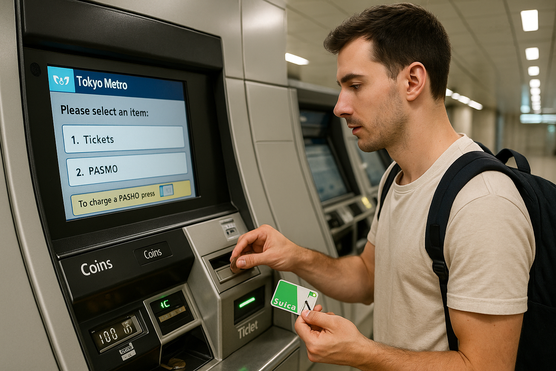
Forget buying individual tickets — using a Suica or PASMO card is the simplest way to move around Tokyo. These rechargeable IC cards allow you to tap in and out at gates, regardless of operator.
* What's Suica? Click here for more information.- Available at JR ticket machines, convenience stores, and airports.
- Usable not only on trains but also on buses, vending machines, and convenience stores.
- Mobile versions (Apple Wallet / Google Pay) are available for travelers without physical cards.
Recharge Tips: You can top up your card at any ticket machine or convenience store (minimum 1,000 yen). If you’re leaving Japan, physical cards can be refunded at JR East counters (small fee applies).
4. Reading Maps, Colors, and Station Codes
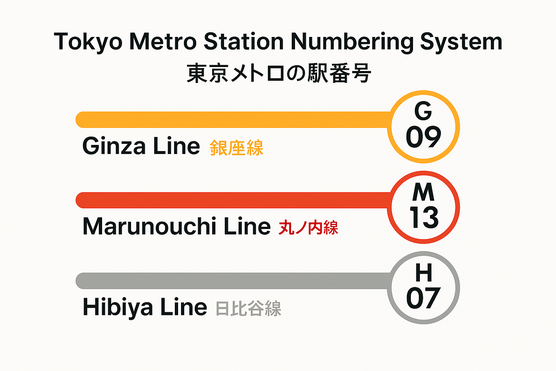
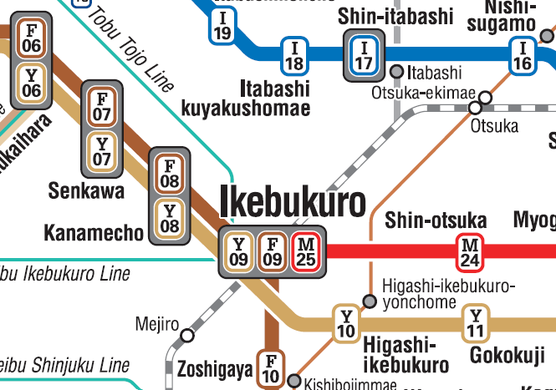
Tokyo’s train maps can appear overwhelming, but there’s logic behind the design. Each line has its own color and each station is numbered sequentially. For example, G-09 refers to the Ginza Line, station number 9.
- JR Lines: Named by destination (e.g., Chuo Line, Sobu Line).
- Metro Lines: Identified by color (e.g., Ginza Line – Orange, Marunouchi Line – Red).
- Station Numbers: The letter corresponds to the line, and the number shows the stop position — making it easy even without Japanese reading skills.
5. How to Buy Tickets & Use Ticket Gates
While IC cards are easiest, you can also buy paper tickets from machines. Here’s how:
- Locate a bilingual ticket machine near the gates.
- Select “English” on the screen.
- Check the fare chart above (look for your destination station and fare amount).
- Insert cash and collect your ticket.
At the gate, insert the ticket into the slot and retrieve it from the other side. When exiting, insert it again — it will be retained by the machine. For IC cards, just tap and go.
6. Travel Etiquette and Rush Hour Survival
Japanese trains are famously polite and quiet — following a few unwritten rules will make your ride smoother:
- Avoid Rush Hour: 7:30–9:30 AM and 5:30–7:30 PM are the busiest times.
- Women-Only Cars: Marked in pink; typically active during weekday mornings.
- Priority Seats: Reserved for elderly, pregnant, or disabled passengers.
- No Loud Conversations: Keep phone calls and noise to a minimum.
- Stand on the Left: When using escalators in Tokyo, the left side is for standing, right side for passing.

7. Must-Know Train Routes for Tourists
| Route | Description |
|---|---|
| JR Yamanote Line | Loops around Tokyo’s major districts like Shibuya, Shinjuku, and Ueno — the city’s most useful line. |
| Tokyo Metro Ginza Line | Connects Asakusa, Ginza, and Shibuya — ideal for sightseeing. |
| Toei Oedo Line | Great for visiting Roppongi, Shinjuku, and the Tokyo Metropolitan Government Building. |
| JR Chuo Line | Fast connection from central Tokyo to Nakano and Mitaka (Ghibli Museum). |
8. Useful Apps & Tools
Here are four essential apps and tools that make navigating Tokyo’s trains smoother and more enjoyable. Each one offers English support and works seamlessly for tourists.
-
🗺️ Google Maps
The most reliable app for route planning and live updates. Supports English navigation, platform info, and real-time congestion data in Tokyo. -
🚇 Tokyo Subway Navigation
Official app by Tokyo Metro. Plan routes, check fares, and find the best transfers between lines — all in English. -
🚉 JR East Train Info
Official JR East app with real-time delay alerts, platform changes, and multilingual support for visitors using the JR network. -
🧭 Japan Travel by
NAVITIME
A comprehensive route and timetable planner made for foreign travelers. Supports English, offline mode, and cost estimation.
9. Common Mistakes Travelers Make
- Using both a paper ticket and IC card at the same time — choose one.
- Forgetting to exit through the transfer gate when switching systems (JR ⇄ Metro).
- Running out of Suica balance inside the paid area — recharge before exiting.
- Standing in front of the doors during rush hour — always step aside to let passengers off first.
10. Final Thoughts: Travel Tokyo Like a Local
Mastering Tokyo’s train system transforms your travel experience. With over 40 million passengers daily, it’s the lifeline of the city — reliable, clean, and punctual. Once you understand Suica, station codes, and etiquette, you’ll move confidently between Tokyo’s neighborhoods and beyond. Whether you’re heading to Asakusa’s temples, Shibuya’s crossings, or Ueno’s museums, the train is your gateway to discovering Japan at your own pace.
Related Articles: Smart Tips for Getting Around Japan
- 🗾 Transportation in Japan: The Complete Guide for Tourists
All-in-one overview of trains, buses, taxis, IC cards, and passes. - 🚆 How to Use Tokyo’s Trains: Complete Guide for Tourists (Metro, JR, Suica & Transfers)
Navigate JR and Metro like a local with clear transfer tactics. - 💳 How to Use IC Cards in Japan (Suica, PASMO, ICOCA)
Tap-and-go for trains, buses, vending machines, and shops. - 🚄 How to Take the Shinkansen in Japan: Step-by-Step Guide
Tickets, seat types, boarding flow, and oversized baggage rules. - 🧳 How to Use Coin Lockers in Japan: Step-by-Step Guide for Tourists
Find lockers, pay by cash or IC card, and retrieve easily with QR or PIN code. - 📶 How to Use Free Wi-Fi & SIM/eSIM in Japan
Best options for eSIM, pocket Wi-Fi, and reliable hotspots. - 🚻 How to Use Japanese Public Restrooms (Etiquette & Tips)
Washlet buttons, squat toilets, and accessibility features. - 📞 Emergency Numbers in Japan: Police, Fire & Ambulance
110 / 119 and English-speaking hotlines you should save. - 🧭 What to Do if You Get Lost in Tokyo
Step-by-step actions, helpful phrases, and the right apps. - 🔌 How to Charge Your Phone & Use Power Plugs in Japan
Plug types, voltage, free charging spots, and CHARGE SPOT rental guide. - 🏨 First-Time Travel to Japan: 20 Essential Tips Every Visitor Should Know
Comprehensive travel advice — from trains and cash to culture and safety.