Home › Blog › Japan IC Cards for Tourists
Suica vs Pasmo vs ICOCA: Best IC Card for Japan Tourists
Last Updated: May 24, 2026
If you are visiting Japan for the first time, you will probably hear names like Suica, PASMO, ICOCA, Welcome Suica, and TOURIST PASMO almost immediately after arriving. Many travelers become confused because Japan has several different IC cards that appear similar at first glance.
The good news is that choosing an IC card is usually much simpler than it seems. For most tourists, the best option depends mainly on whether you use an iPhone or Apple Wallet, where your trip starts, and whether you prefer a physical or digital card.
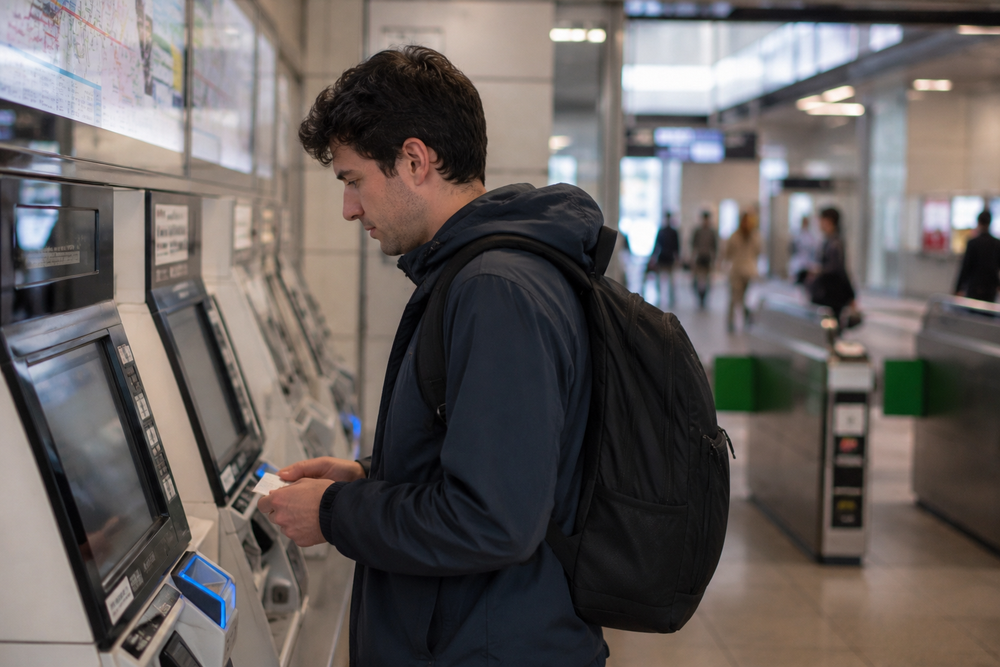
Quick Answer: Which IC Card Should You Choose?
- iPhone users: Apple Wallet with Suica, PASMO, or ICOCA is often the easiest option.
- Arriving in Tokyo: Welcome Suica, TOURIST PASMO, Suica, or PASMO are practical choices.
- Arriving in Osaka or Kyoto: ICOCA is the most natural physical card option.
- Traveling across multiple regions: any major IC card usually works fine for most tourist routes.
What Are IC Cards in Japan?
IC cards are rechargeable prepaid cards used for trains, buses, and small purchases across Japan. Instead of buying paper tickets every time you travel, you simply tap your card or smartphone at the ticket gate.
They are also accepted at many convenience stores, vending machines, station kiosks, restaurants, cafes, and coin lockers. The most famous IC cards are Suica, PASMO, and ICOCA. There are also tourist-oriented versions such as Welcome Suica and TOURIST PASMO.
Suica vs PASMO vs ICOCA: What’s the Difference?
For most travelers, the practical differences between Suica, PASMO, and ICOCA are smaller than expected. All three cards work similarly for trains, buses, and shopping. However, they are associated with different railway regions.
Which IC Card Should I Choose?
If You Have an iPhone
For many international travelers, using Apple Wallet is the easiest solution. You can add Suica, PASMO, or ICOCA directly to your iPhone or Apple Watch and use your device at train gates, buses, convenience stores, and many vending machines.
This can eliminate the need to search for a physical card after arrival. However, payment card compatibility and setup availability can vary depending on your country and card issuer, so it is smart to test your setup before traveling.
Official Apple Information: Use transit cards on your iPhone or Apple Watch in Japan
If Your Trip Starts in Tokyo
If you land in Tokyo and want a physical card, Welcome Suica or TOURIST PASMO are usually convenient tourist-friendly options. Regular Suica or PASMO cards are also fine if available.
For most tourists, there is no major practical difference between them during normal travel.
If Your Trip Starts in Osaka or Kyoto
ICOCA is usually the most natural choice in Kansai. It works well across Osaka, Kyoto, Kobe, Nara, and nearby regions, while still remaining compatible with transportation systems in many other parts of Japan.
If You Travel Across Japan
Do not worry too much about regional differences. Most tourists can comfortably use one major IC card across multiple cities without serious problems. Choosing the first easily available major card is often perfectly fine.
Using Suica, PASMO, and ICOCA on iPhone
Many tourists now use digital IC cards instead of physical cards. Digital IC cards can be convenient because you do not need to carry a physical card, you can pass through gates quickly, and you may be able to recharge directly from your phone.
Apple Wallet supports Suica, PASMO, ICOCA, and TOICA for transit and purchases in Japan. Still, some foreign payment cards may not work smoothly, setup methods can differ, and battery management matters during long travel days.
Official Apple Wallet Information: Add a transit card to Apple Wallet in Japan
Where to Buy IC Cards in Japan
You can usually get IC cards at airport railway stations, major train stations, ticket machines, and railway service counters. Availability may change depending on supply conditions and railway company policies, so checking official information before arrival is recommended.
- Tokyo arrivals: check JR East and PASMO visitor information for available Suica, Welcome Suica, PASMO, or TOURIST PASMO options.
- Osaka / Kyoto arrivals: ICOCA is commonly associated with JR West and Kansai travel.
- iPhone users: consider setting up a digital Suica, PASMO, or ICOCA through Apple Wallet.
- Cash backup: keep some cash ready because not every machine or payment setup works with every foreign card.
How to Use IC Cards on Trains and Buses
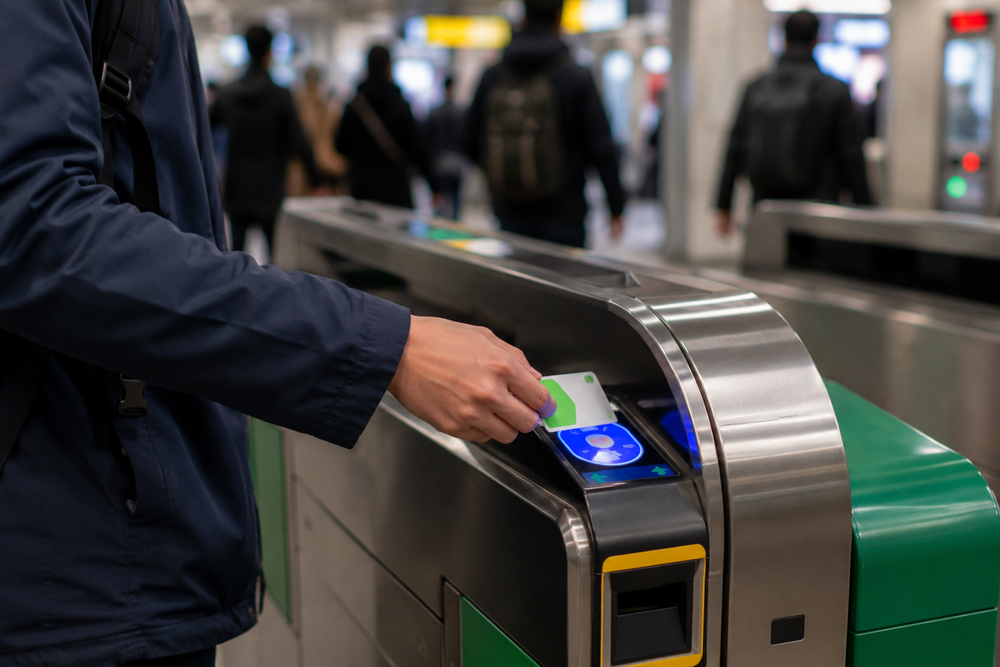
- Tap your card or phone on the reader at the ticket gate.
- Ride the train.
- Tap again when exiting.
- The correct fare is automatically deducted from your balance.
On buses, the rule depends on the local system. In some areas, you tap when boarding and exiting. In others, you tap only once. When unsure, simply watch local passengers or ask the driver politely.
How to Recharge Your IC Card
IC cards are prepaid, so you need to keep enough balance before riding. You can recharge them at station ticket machines, convenience stores, some ATMs, and Apple Wallet for compatible digital cards.
Keeping at least ¥1,000–¥2,000 balance is usually a good idea to avoid gate problems during busy travel days.
Where Else Can You Use IC Cards?
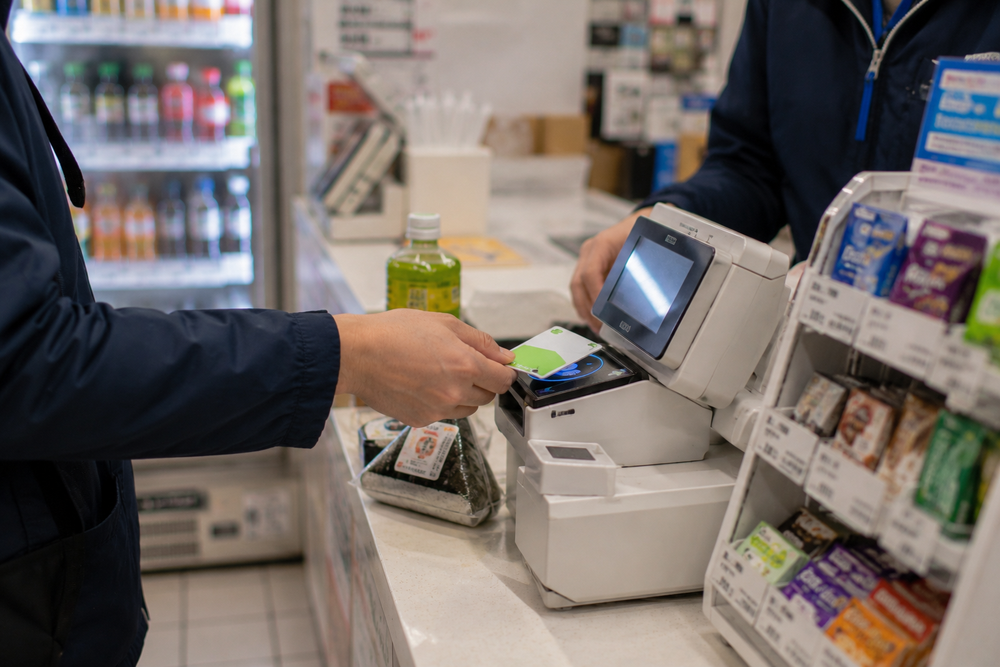
IC cards are useful beyond transportation. Many tourists use them daily at convenience stores, vending machines, cafes, restaurants, supermarkets, and coin lockers. For small everyday purchases, IC cards are often faster than cash.
IC Card vs Japan Rail Pass: What’s the Difference?
Many tourists confuse IC cards with rail passes, but they serve different purposes.
IC Cards
- Prepaid payment method
- Convenience-focused
- Ideal for local transport
- Useful for small purchases
Rail Passes
- Travel pass products
- Designed for heavy train travel
- Potentially useful for long-distance routes
- Need itinerary-based value check
For many travelers, the best strategy is simple: use an IC card for daily transportation and small payments, and use rail passes only if your itinerary clearly benefits from them.
Important Tips for Tourists
- One IC card cannot usually be shared between multiple travelers at ticket gates.
- IC cards do not automatically cover Shinkansen travel.
- Card availability and tourist card programs can change.
- Refund rules differ by card type.
- Some older ticket machines may still require cash.
- Keeping backup cash is still recommended in Japan.
FAQ: Japan IC Cards for Tourists
Do tourists need an IC card in Japan?
No, but IC cards make transportation much easier for most travelers. They are especially useful if you plan to use trains, buses, convenience stores, and vending machines during your trip.
Is Suica better than PASMO?
For most tourists, the practical difference is very small. The better choice is usually the one that is easiest to get where your trip begins.
Should I get ICOCA in Osaka or Kyoto?
Yes. ICOCA is a natural option if your trip starts in Kansai, especially Osaka, Kyoto, Kobe, or Nara.
Can I use IC cards on the Shinkansen?
Not automatically. Many Shinkansen routes require separate tickets or specific reservation systems. Do not assume a regular IC card alone is enough for bullet train travel.
Can I use Apple Wallet instead of a physical IC card?
Yes. Many travelers use Suica, PASMO, or ICOCA through Apple Wallet. However, you should check device and payment card compatibility before relying on it completely.
Can two people share one IC card?
No. Each person should normally use their own card at train gates. One IC card cannot be passed back and forth for multiple travelers on the same ride.
Can I use IC cards at restaurants and convenience stores?
Yes. Many convenience stores, vending machines, cafes, casual restaurants, and station shops accept IC cards. Look for the IC card payment mark near the register.
Travel Tip for First-Time Japan Visitors
IC cards make transportation in Japan much easier, but restaurant reservations can still be confusing for international travelers. Many popular restaurants do not support English reservations, and some famous places become fully booked quickly.
Need Help Booking Restaurants in Japan?
Japan Experience Hub helps travelers request restaurant reservations in Japan. English OK, fixed US$50 booking support, and full refund if we cannot secure your seat.
Explore Reservation SupportConclusion
For most tourists, choosing an IC card in Japan is simpler than it first appears. If you use an iPhone, Apple Wallet may be the easiest solution. If your trip starts in Tokyo, Suica or PASMO-based options are usually convenient. If you begin in Osaka or Kyoto, ICOCA is a natural fit.
The most important thing is simply getting one early in your trip so transportation and small purchases become faster and less stressful throughout your time in Japan.
Related Articles: Smart Tips for Getting Around Japan
- 🗾 Transportation in Japan: The Complete Guide for Tourists
All-in-one overview of trains, buses, taxis, IC cards, and passes. - 🚆 How to Use Tokyo’s Trains: Complete Guide for Tourists (Metro, JR, Suica & Transfers)
Navigate JR and Metro like a local with clear transfer tactics. - 💳 How to Use IC Cards in Japan (Suica, PASMO, ICOCA)
Tap-and-go for trains, buses, vending machines, and shops. - 🚄 How to Take the Shinkansen in Japan: Step-by-Step Guide
Tickets, seat types, boarding flow, and oversized baggage rules. - 🧳 How to Use Coin Lockers in Japan: Step-by-Step Guide for Tourists
Find lockers, pay by cash or IC card, and retrieve easily with QR or PIN code. - 📶 How to Use Free Wi-Fi & SIM/eSIM in Japan
Best options for eSIM, pocket Wi-Fi, and reliable hotspots. - 🚻 How to Use Japanese Public Restrooms (Etiquette & Tips)
Washlet buttons, squat toilets, and accessibility features. - 📞 Emergency Numbers in Japan: Police, Fire & Ambulance
110 / 119 and English-speaking hotlines you should save. - 🧭 What to Do if You Get Lost in Tokyo
Step-by-step actions, helpful phrases, and the right apps. - 🔌 How to Charge Your Phone & Use Power Plugs in Japan
Plug types, voltage, free charging spots, and CHARGE SPOT rental guide. - 🏨 First-Time Travel to Japan: 20 Essential Tips Every Visitor Should Know
Comprehensive travel advice — from trains and cash to culture and safety.