How to Use Japanese Public Restrooms (Etiquette & Tips)
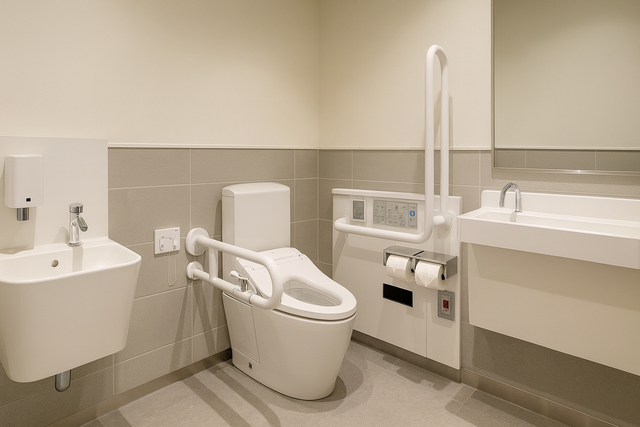
Japan’s public restrooms are known for their cleanliness, accessibility, and advanced technology. For first-time visitors, the control panels and etiquette can feel unfamiliar. This guide explains the main toilet types, how to use a washlet (bidet toilet), and what manners to follow so you can feel confident anywhere in Japan.
1. Types of Toilets in Japan
Japan offers three main types of toilets, depending on the facility and location:
- Western-style Toilets (Washlets): Equipped with bidet spray, heated seats, and automatic flush systems.
- Japanese-style Squat Toilets: Found in older buildings, parks, and small train stations.
- Multi-purpose Accessible Toilets: Spacious, family- and wheelchair-friendly, often with baby tables.
Each type is clearly marked in most public facilities with English labels such as “Western”, “Japanese”, or “Accessible”.

Western-style Washlet Toilet
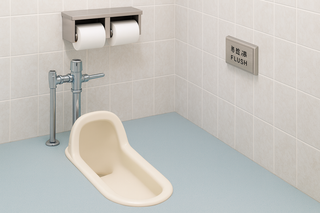
Japanese-style Squat Toilet
Accessible Multi-purpose Toilet
2. How to Use a Japanese Washlet (Bidet Toilet)
- Sit down (washlets are designed for seated use).
- Press Wash / Rear (洗浄 / おしり) to clean; adjust pressure/temperature with + / −.
- Press Stop (止) to finish. Use toilet paper to pat dry.
Official manuals (English): TOTO WASHLET Instruction Manual (2023)

3. Where to Find Public Toilets
- 🚉 Train/Subway stations: JR & Metro stations have multiple, clearly signposted restrooms.
- 🏬 Department stores & malls: Often on each floor; very clean and accessible.
- 🏞 Parks & tourist spots: Basic facilities; mix of squat and Western types.
- 🏪 Convenience stores: Many allow customer use; ask staff politely.
Tokyo Metro’s barrier-free info (English): Creating Subways that are Easy and Comfortable for Everyone
4. Toilet Etiquette in Japan
Do
- Flush completely and keep the area dry/clean.
- Throw toilet paper into the bowl (not bins).
- Use the privacy sound (音姫) if available.
Don’t
- Stand on Western-style seats.
- Leave personal items behind.
- Make loud phone calls inside.
General cultural tips: Japan-Guide: Japanese Toilets (English)
5. Eco & Accessibility Features
- Sensor-based flushing and energy-saving heated seats
- Baby care rooms in major shopping centers
- Growing availability of gender-neutral restrooms in urban areas
6. Hygiene & Handwashing
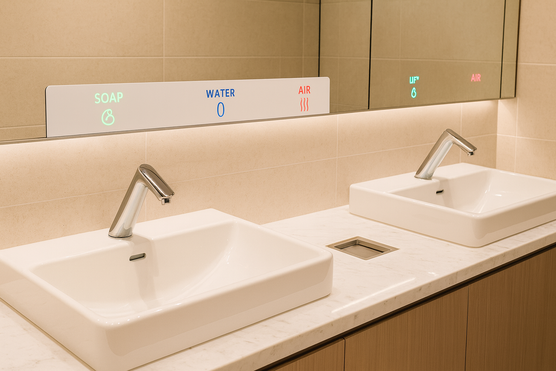
Wash hands thoroughly; many facilities offer automatic soap dispensers and air dryers. Carry a small hand towel in case dryers or paper towels aren’t available.
7. Final Thoughts
Japanese public restrooms embody hospitality and hygiene. Once you understand washlet buttons and local etiquette, even a quick restroom stop becomes a comfortable, stress-free part of your trip.
Related Articles: Smart Tips for Getting Around Japan
- 🗾 Transportation in Japan: The Complete Guide for Tourists
All-in-one overview of trains, buses, taxis, IC cards, and passes. - 🚆 How to Use Tokyo’s Trains: Complete Guide for Tourists (Metro, JR, Suica & Transfers)
Navigate JR and Metro like a local with clear transfer tactics. - 💳 How to Use IC Cards in Japan (Suica, PASMO, ICOCA)
Tap-and-go for trains, buses, vending machines, and shops. - 🚄 How to Take the Shinkansen in Japan: Step-by-Step Guide
Tickets, seat types, boarding flow, and oversized baggage rules. - 🧳 How to Use Coin Lockers in Japan: Step-by-Step Guide for Tourists
Find lockers, pay by cash or IC card, and retrieve easily with QR or PIN code. - 📶 How to Use Free Wi-Fi & SIM/eSIM in Japan
Best options for eSIM, pocket Wi-Fi, and reliable hotspots. - 🚻 How to Use Japanese Public Restrooms (Etiquette & Tips)
Washlet buttons, squat toilets, and accessibility features. - 📞 Emergency Numbers in Japan: Police, Fire & Ambulance
110 / 119 and English-speaking hotlines you should save. - 🧭 What to Do if You Get Lost in Tokyo
Step-by-step actions, helpful phrases, and the right apps. - 🔌 How to Charge Your Phone & Use Power Plugs in Japan
Plug types, voltage, free charging spots, and CHARGE SPOT rental guide. - 🏨 First-Time Travel to Japan: 20 Essential Tips Every Visitor Should Know
Comprehensive travel advice — from trains and cash to culture and safety.