How to Use Free Wi-Fi & SIM Cards in Japan: Stay Connected During Your Trip
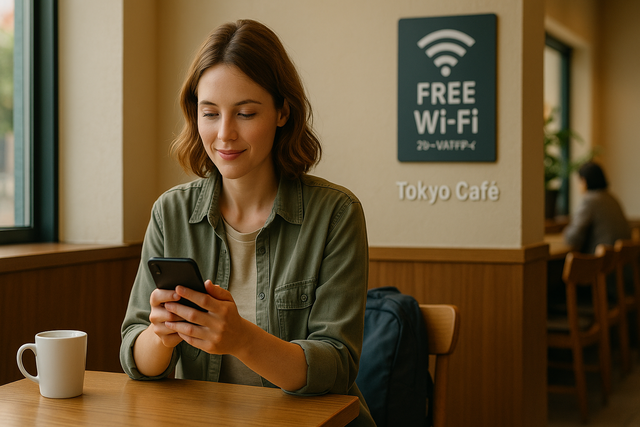
Staying online in Japan is easy once you know your options. This guide explains how to access free Wi-Fi, choose a SIM or eSIM, and when to rent a pocket Wi-Fi router—so you can navigate, translate, and book with confidence wherever you go.
1. Free Wi-Fi in Japan: What to Expect
Free Wi-Fi is common in tourist areas, but coverage is not universal, and some hotspots require a quick registration.
- Airports: Haneda and Narita provide reliable, terminal-wide networks.
- Stations: Look for SSIDs such as JR-EAST FREE Wi-Fi or Metro_Free_Wi-Fi.
- Convenience stores: 7-Eleven, FamilyMart, and Lawson offer short free sessions.
- Cafés/Restaurants: Starbucks, McDonald’s, and many chains have easy logins.
For seamless roaming across many hotspots, use the official app: Japan Connected-free Wi-Fi (NTT BP).

2. SIM Cards & eSIM: Quick Internet Anywhere
Prepaid physical SIMs and eSIMs are the most convenient options for full-time connectivity. Most tourist plans are data-only, but you can place calls via apps like WhatsApp or LINE.
Where to Buy
- Airports: Arrival-hall SIM counters or vending machines (fast activation).
- Electronics stores: BIC CAMERA, Yodobashi, and similar retailers.
- Online (eSIM): Purchase before arrival and activate instantly via QR code.
Popular Providers (English Support)
- Airalo (eSIM) — instant activation, multiple plans.
- Mobal — physical SIM with tourist plans.
- Sakura Mobile — airport pickup and English support.
Tip: Make sure your phone is carrier-unlocked and supports Japan’s LTE/5G bands. If your device supports eSIM, you can skip the airport counter entirely.
3. Pocket Wi-Fi Routers: Best for Groups
Ideal for families or multiple devices, a pocket router creates your own secure hotspot and often includes generous or unlimited data.
- Ninja Wi-Fi — airport pickup or hotel delivery.
- Sakura Mobile Pocket Wi-Fi — unlimited data plans.
- Global Wi-Fi — multilingual support and wide coverage.
Pricing typically starts around ¥500/day. Book online in advance for the best rates and availability.

4. Quick Comparison
| Option | Best For | Pros | Cons |
|---|---|---|---|
| Free Wi-Fi | Short sessions and casual browsing | No cost, easy to access | Limited coverage; may require registration |
| Prepaid SIM | Solo travelers | Reliable, flexible plans | Requires an unlocked phone |
| eSIM | Frequent travelers | Instant setup; no physical card | Device must support eSIM |
| Pocket Wi-Fi | Groups & multi-device users | Shareable; fast and stable | Needs charging and pickup/return |

5. Pro Tips for a Reliable Connection
- Carry a portable power bank for long days on the move.
- Enable auto-connect if you use the Japan Connected-free Wi-Fi app.
- Monitor your data allowance—heavy use (navigation, social media, uploads) can exceed 2GB/day.
- Avoid financial transactions on public Wi-Fi or use a trusted VPN.
6. Useful Links
7. Final Thoughts
The most stress-free setup combines methods: use eSIM or pocket Wi-Fi for navigation and bookings, and rely on free Wi-Fi in cafés and public spaces when convenient. With the right mix, staying connected in Japan is simple and reliable.
Related Articles: Smart Tips for Getting Around Japan
- 🗾 Transportation in Japan: The Complete Guide for Tourists
All-in-one overview of trains, buses, taxis, IC cards, and passes. - 🚆 How to Use Tokyo’s Trains: Complete Guide for Tourists (Metro, JR, Suica & Transfers)
Navigate JR and Metro like a local with clear transfer tactics. - 💳 How to Use IC Cards in Japan (Suica, PASMO, ICOCA)
Tap-and-go for trains, buses, vending machines, and shops. - 🚄 How to Take the Shinkansen in Japan: Step-by-Step Guide
Tickets, seat types, boarding flow, and oversized baggage rules. - 🧳 How to Use Coin Lockers in Japan: Step-by-Step Guide for Tourists
Find lockers, pay by cash or IC card, and retrieve easily with QR or PIN code. - 📶 How to Use Free Wi-Fi & SIM/eSIM in Japan
Best options for eSIM, pocket Wi-Fi, and reliable hotspots. - 🚻 How to Use Japanese Public Restrooms (Etiquette & Tips)
Washlet buttons, squat toilets, and accessibility features. - 📞 Emergency Numbers in Japan: Police, Fire & Ambulance
110 / 119 and English-speaking hotlines you should save. - 🧭 What to Do if You Get Lost in Tokyo
Step-by-step actions, helpful phrases, and the right apps. - 🔌 How to Charge Your Phone & Use Power Plugs in Japan
Plug types, voltage, free charging spots, and CHARGE SPOT rental guide. - 🏨 First-Time Travel to Japan: 20 Essential Tips Every Visitor Should Know
Comprehensive travel advice — from trains and cash to culture and safety.