How to Take the Shinkansen in Japan: Step-by-Step Guide for Tourists
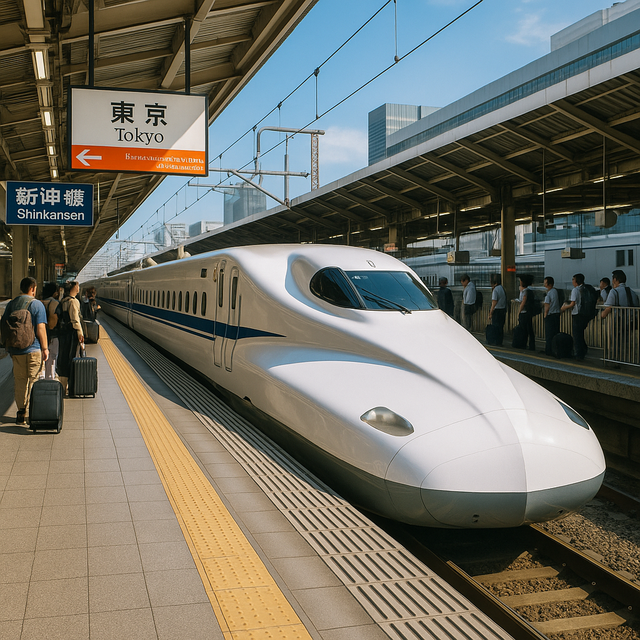
The Shinkansen, or bullet train, is Japan’s most iconic mode of travel — famous for speed, cleanliness, and punctuality. Whether you’re going from Tokyo to Kyoto or exploring the whole country with a Japan Rail Pass, this guide covers how to buy tickets, board, and follow luggage rules — including oversized baggage policies.
1. Buying Shinkansen Tickets
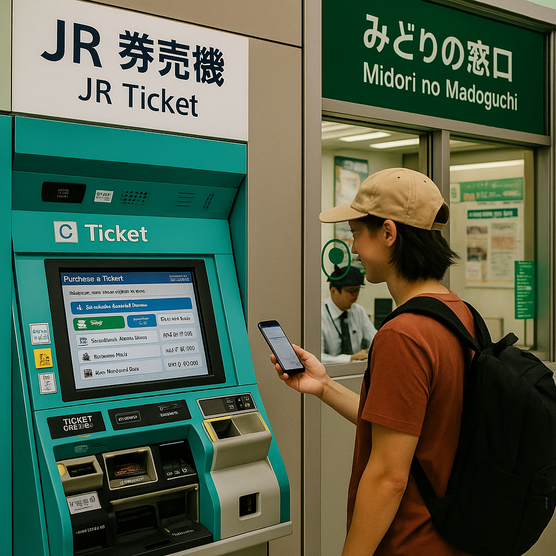
You can buy tickets at multilingual ticket machines or at JR counters called Midori no Madoguchi. Choose from Reserved Seats, Non-Reserved Seats, or Green Car (first class). Machines display English menus, and staff at counters can assist in English.
- Reserved Seat: Guaranteed seat on a specific train/time.
- Non-Reserved Seat: Cheaper but first-come, first-served.
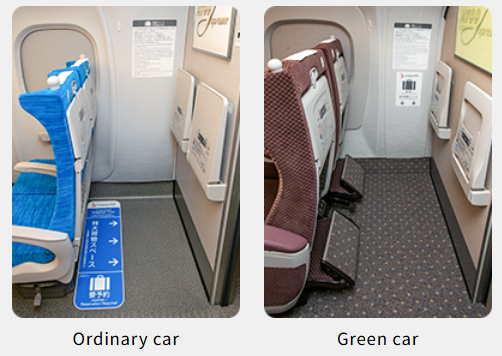
- Green Car: First-class cabin with wider seats.
If you have a Japan Rail Pass, use the special machines marked “Reserved Seat Ticket Machine (for JR Pass users)” or visit the counter.
2. Boarding Procedures
- Arrive 15–20 minutes before departure.
- Check your train and car number (displayed above platform doors).
- Line up where your car stops — floor markings show this clearly.
- Insert both your base fare and express ticket together at the ticket gate.
- Take your seat and stow luggage securely.
3. Luggage Rules and Oversized Baggage Policy
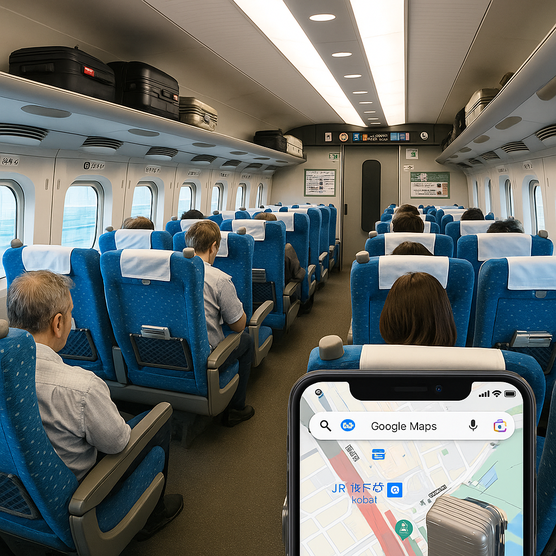
Each Shinkansen car has overhead racks for small or medium luggage and limited space behind the last row for larger items. If your suitcase is too large, special rules apply.
Oversized Baggage Rules (by JR Central)
Suitcases with a total dimension (height + width + depth) of over 160 cm require a seat reservation in an Oversized Baggage Area. You can reserve this when purchasing your ticket at machines or counters.
- Under 160 cm: No reservation required — use the overhead rack.
- 160–250 cm: Reserve a seat with an oversized baggage area.
- Over 250 cm: Not allowed on the train — use a luggage delivery service instead.
Official details available here:
👉 JR Central – Oversized Baggage Information
4. Etiquette and Onboard Tips
- Keep voices low and avoid phone calls (use vestibules near doors).
- Eating and drinking are allowed — try local ekiben (bento boxes).
- Dispose of trash in bins at car ends.
- Smoking is allowed only in designated rooms on certain trains.
5. Major Shinkansen Lines
| Line | Route | Max Speed | Notes |
|---|---|---|---|
| Tokaido | Tokyo – Kyoto – Osaka | 285 km/h | Most popular, frequent service |
| Sanyo | Osaka – Hiroshima – Fukuoka | 300 km/h | Connects western Japan |
| Tohoku | Tokyo – Sendai – Aomori | 320 km/h | Fastest line |
| Hokkaido | Tokyo – Hakodate | 260 km/h | Undersea tunnel route |
6. Summary
Riding the Shinkansen is one of Japan’s best travel experiences — clean, quiet, and incredibly punctual. By learning how to buy tickets, reserve the right seat, and follow luggage rules, you’ll travel like a local. Always remember: if your luggage is over 160 cm, book an Oversized Baggage Area Seat in advance via JR’s official system.
Official details:
👉 https://global.jr-central.co.jp/en/info/oversized-baggage/
Related Articles: Smart Tips for Getting Around Japan
- 🗾 Transportation in Japan: The Complete Guide for Tourists
All-in-one overview of trains, buses, taxis, IC cards, and passes. - 🚆 How to Use Tokyo’s Trains: Complete Guide for Tourists (Metro, JR, Suica & Transfers)
Navigate JR and Metro like a local with clear transfer tactics. - 💳 How to Use IC Cards in Japan (Suica, PASMO, ICOCA)
Tap-and-go for trains, buses, vending machines, and shops. - 🚄 How to Take the Shinkansen in Japan: Step-by-Step Guide
Tickets, seat types, boarding flow, and oversized baggage rules. - 🧳 How to Use Coin Lockers in Japan: Step-by-Step Guide for Tourists
Find lockers, pay by cash or IC card, and retrieve easily with QR or PIN code. - 📶 How to Use Free Wi-Fi & SIM/eSIM in Japan
Best options for eSIM, pocket Wi-Fi, and reliable hotspots. - 🚻 How to Use Japanese Public Restrooms (Etiquette & Tips)
Washlet buttons, squat toilets, and accessibility features. - 📞 Emergency Numbers in Japan: Police, Fire & Ambulance
110 / 119 and English-speaking hotlines you should save. - 🧭 What to Do if You Get Lost in Tokyo
Step-by-step actions, helpful phrases, and the right apps. - 🔌 How to Charge Your Phone & Use Power Plugs in Japan
Plug types, voltage, free charging spots, and CHARGE SPOT rental guide. - 🏨 First-Time Travel to Japan: 20 Essential Tips Every Visitor Should Know
Comprehensive travel advice — from trains and cash to culture and safety.