How to Use Convenience Stores in Japan Like a Local

Japanese convenience stores—known as konbini—are more than just places to grab snacks. They’re an essential part of daily life in Japan, offering an incredible range of services that surprise even seasoned travelers. Whether you need a quick meal, an ATM, or to send a parcel, these stores can do it all. In this guide, you’ll learn how to use konbini like a true local.
1. What Are Konbini and Why They’re Special
There are over 50,000 convenience stores in Japan, operated mainly by three big chains: 7-Eleven, Lawson, and FamilyMart. You’ll find at least one on almost every street corner. Konbini are open 24/7 and are known for cleanliness, safety, and exceptional service.
Each chain has its specialties—7-Eleven is famous for its sandwiches and ATMs, Lawson for dessert collaborations, and FamilyMart for its fried chicken “Famichiki.”
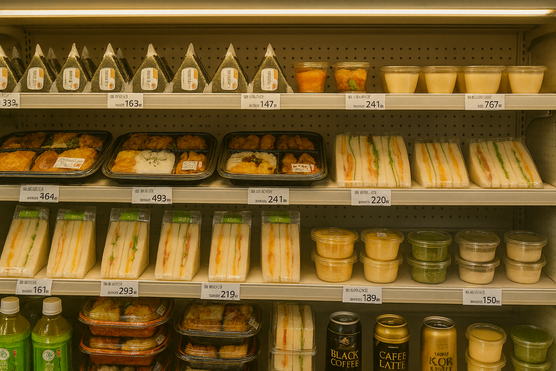
2. Food & Drinks: More Than a Quick Snack
Konbini food quality is surprisingly high. Many Japanese even rely on it for daily meals. Popular choices include:
- Onigiri (rice balls): Freshly packed with fillings like salmon or tuna mayo.
- Bento boxes: Complete meals with rice, meat, and vegetables.
- Hot snacks: Fried chicken, croquettes, and steamed buns at the counter.
- Drinks: Iced coffee, matcha lattes, canned tea, and even craft beer.
You can heat meals using in-store microwaves or ask the clerk: “Atatamemasu ka?” (Would you like it heated?).
3. Services Beyond Food
Japanese convenience stores are mini service hubs. Here are some of the most useful functions for travelers:
- ATMs: 7-Eleven ATMs accept most foreign cards (Visa, Mastercard, UnionPay). Check availability here.
- Bill Payment & Tickets: Pay utility bills, buy concert or theme park tickets via Loppi (Lawson) or FamiPort (FamilyMart) machines.
- Copy & Print: Print documents or photos using Network Print Service.
- Parcel Delivery: Send or receive packages using Yamato Transport or Japan Post.
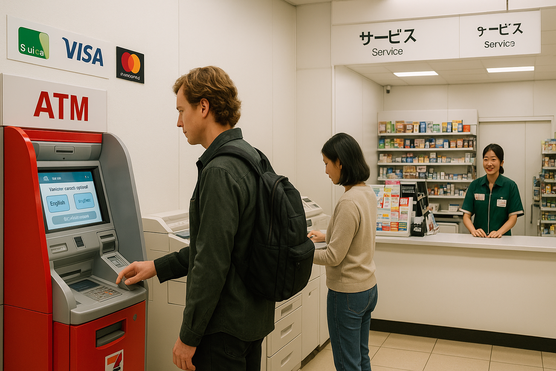
4. Payment Methods: Cash, Card, or App?
Most konbini accept multiple payment options:
- 💴 Cash: Always accepted everywhere.
- 💳 Credit cards: Visa, Mastercard, JCB, and AMEX widely accepted.
- 📱 Mobile payments: Suica, PASMO, PayPay, Apple Pay, or QR code apps.
Many travelers prefer using Suica for small purchases since it’s quick and works across trains, vending machines, and konbini alike.
5. Useful Phrases When Shopping
Here are a few phrases you might hear or use in a convenience store:
- Atatamemasu ka? — Would you like it heated?
- Fukuro wa irimasu ka? — Do you need a plastic bag? (Usually costs 5 yen)
- Otsuri desu. — Here’s your change.
- Arigatou gozaimasu. — Thank you.
Politeness is valued, so a simple smile and “thank you” go a long way.
6. Unique Finds & Hidden Tips
Each konbini chain has its own limited items and regional specialties. Try:
- Seasonal desserts such as sakura mochi or matcha parfaits.
- Local souvenirs and prepaid SIM cards (in tourist-heavy areas).
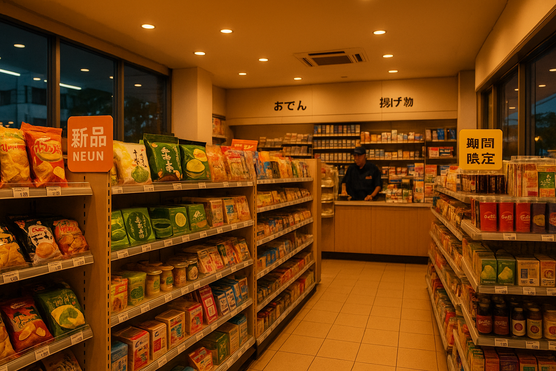
7. Final Thoughts
Convenience stores in Japan are a reflection of the country’s efficiency and hospitality. For travelers, they serve as lifesavers—whether you need a midnight snack, a quick ATM withdrawal, or a place to print tickets. Learning how to use konbini like a local will not only make your trip smoother but also give you a deeper appreciation for everyday Japanese culture.
Related Articles: Smart Tips for Getting Around Japan
- 🗾 Transportation in Japan: The Complete Guide for Tourists
All-in-one overview of trains, buses, taxis, IC cards, and passes. - 🚆 How to Use Tokyo’s Trains: Complete Guide for Tourists (Metro, JR, Suica & Transfers)
Navigate JR and Metro like a local with clear transfer tactics. - 💳 How to Use IC Cards in Japan (Suica, PASMO, ICOCA)
Tap-and-go for trains, buses, vending machines, and shops. - 🚄 How to Take the Shinkansen in Japan: Step-by-Step Guide
Tickets, seat types, boarding flow, and oversized baggage rules. - 🧳 How to Use Coin Lockers in Japan: Step-by-Step Guide for Tourists
Find lockers, pay by cash or IC card, and retrieve easily with QR or PIN code. - 📶 How to Use Free Wi-Fi & SIM/eSIM in Japan
Best options for eSIM, pocket Wi-Fi, and reliable hotspots. - 🚻 How to Use Japanese Public Restrooms (Etiquette & Tips)
Washlet buttons, squat toilets, and accessibility features. - 📞 Emergency Numbers in Japan: Police, Fire & Ambulance
110 / 119 and English-speaking hotlines you should save. - 🧭 What to Do if You Get Lost in Tokyo
Step-by-step actions, helpful phrases, and the right apps. - 🔌 How to Charge Your Phone & Use Power Plugs in Japan
Plug types, voltage, free charging spots, and CHARGE SPOT rental guide. - 🏨 First-Time Travel to Japan: 20 Essential Tips Every Visitor Should Know
Comprehensive travel advice — from trains and cash to culture and safety.