How to Send Luggage in Japan: Takkyubin & Delivery Services Explained
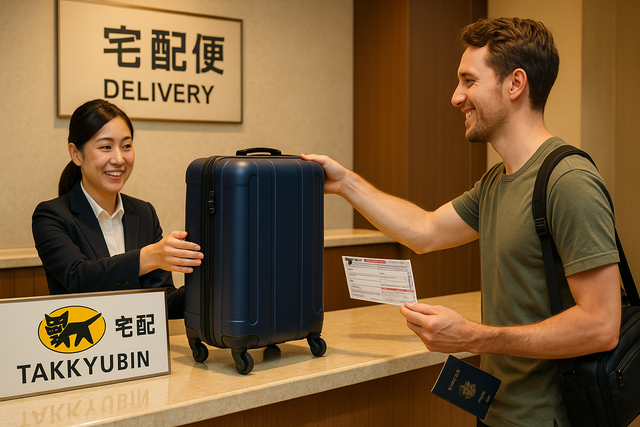
Japan’s Takkyubin (luggage delivery service) is one of the most convenient systems in the world. Whether you’re traveling between cities, staying at multiple hotels, or catching a flight, you can send your suitcase ahead and explore freely — hands-free. This guide explains exactly how it works and how you can use it like a local traveler.
1. What Is Takkyubin?
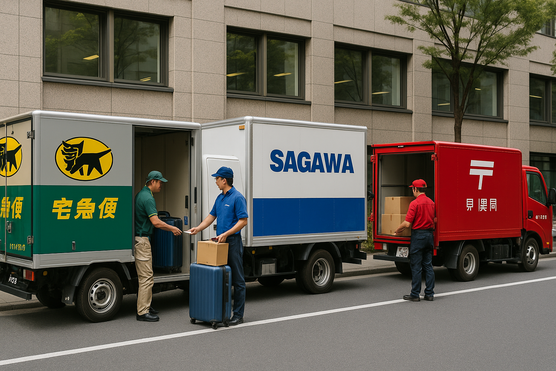
Takkyubin is a door-to-door delivery service that transports luggage and parcels anywhere in Japan. It’s used daily by locals and travelers alike, offering reliable next-day delivery for an affordable fee. The most common companies include:
- Yamato Transport (Kuroneko Yamato) – the most foreigner-friendly, recognizable by its black cat logo.
- Sagawa Express – used for domestic and business deliveries.
- Japan Post (Yu-Pack) – reliable for smaller parcels and letters.
Note: Although “Takkyubin” is Yamato’s trademark, the word is widely used to mean luggage delivery in general.
2. Where You Can Use Luggage Delivery Services
You can send and receive luggage at various locations across Japan:
- 🏨 Hotels and Ryokan: Ask the front desk — most offer this service.
- ✈️ Airports: Dedicated Takkyubin counters at Narita, Haneda, Kansai, and Chubu airports.
- 🏪 Convenience Stores: Many 7-Eleven, Lawson, and FamilyMart locations accept Takkyubin drop-offs.
- 🏢 Service Centers: Yamato offices are available in most cities.
💡 Many hotels can receive your luggage before check-in. Just write your name, arrival date, and booking number on the delivery slip.
3. How Much Does It Cost?
Prices vary by size and distance, but most domestic deliveries cost between ¥1,000 and ¥3,000. The following table shows typical rates:
| Size | Description | Typical Price |
|---|---|---|
| Small (up to 60 cm) | Day pack or document bag | ¥1,000–¥1,200 |
| Medium (up to 100 cm) | Carry-on suitcase | ¥1,500–¥2,000 |
| Large (up to 140 cm) | Full-sized suitcase | ¥2,000–¥3,000 |
4. How to Send Your Luggage (Step-by-Step)
A. From Hotel to Hotel
- Ask the front desk for a Takkyubin slip (送り状).
- Fill out your next hotel’s name, address, and phone number (staff can assist).
- Pay the fee in cash or card.
- Your luggage will be picked up directly from the reception desk.
Delivery time: Usually arrives the next day within the same region.
B. From Hotel to Airport
- Go to the hotel front desk or Yamato counter at least two days before your flight.
- Write your flight date and airline on the delivery slip.
- Your luggage will be sent to the airport’s Takkyubin counter.
- On departure day, show your passport and claim slip to retrieve it.
Official website: Yamato Hands-Free Travel
C. From Convenience Store
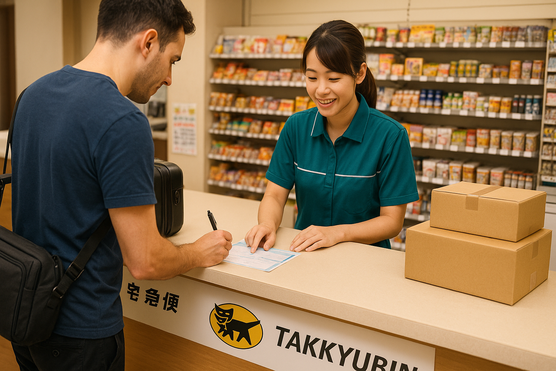
- Look for the black cat (Yamato) logo at the counter.
- Say: “Takkyubin, onegaishimasu.” (I’d like to send a parcel.)
- Fill in the destination and pay the fee.
- Keep your receipt and tracking number until delivery.
5. Delivery Times and Tracking
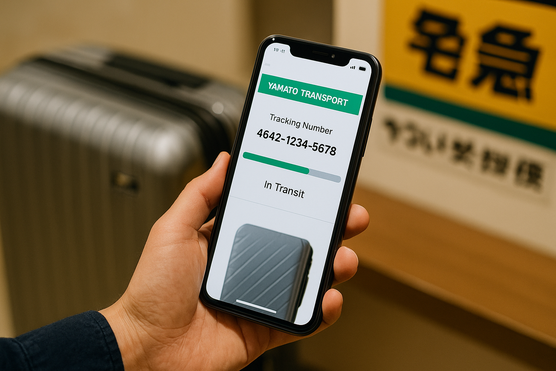
Deliveries typically take 1–2 days depending on distance. You can check the status online using your tracking number.
Visit: Yamato Tracking Page
💡 If you’re traveling across multiple cities, plan your deliveries so your bags always arrive at your next destination in time.
6. Useful Tips for Travelers
- Always label luggage with your name and phone number.
- Check hotel policy for luggage acceptance before sending.
- Don’t send valuables or fragile items.
- Keep one night’s clothes with you in case of delivery delays.
- Take a photo of your tracking slip as backup.
7. Final Thoughts
Once you experience Japan’s Takkyubin service, you’ll understand why it’s so beloved. It saves time, removes the hassle of carrying heavy bags, and lets you move between cities effortlessly. With a simple form and a small fee, your luggage will meet you at your next destination — ready for your next adventure.
Related Articles: Smart Tips for Getting Around Japan
- 🗾 Transportation in Japan: The Complete Guide for Tourists
All-in-one overview of trains, buses, taxis, IC cards, and passes. - 🚆 How to Use Tokyo’s Trains: Complete Guide for Tourists (Metro, JR, Suica & Transfers)
Navigate JR and Metro like a local with clear transfer tactics. - 💳 How to Use IC Cards in Japan (Suica, PASMO, ICOCA)
Tap-and-go for trains, buses, vending machines, and shops. - 🚄 How to Take the Shinkansen in Japan: Step-by-Step Guide
Tickets, seat types, boarding flow, and oversized baggage rules. - 🧳 How to Use Coin Lockers in Japan: Step-by-Step Guide for Tourists
Find lockers, pay by cash or IC card, and retrieve easily with QR or PIN code. - 📶 How to Use Free Wi-Fi & SIM/eSIM in Japan
Best options for eSIM, pocket Wi-Fi, and reliable hotspots. - 🚻 How to Use Japanese Public Restrooms (Etiquette & Tips)
Washlet buttons, squat toilets, and accessibility features. - 📞 Emergency Numbers in Japan: Police, Fire & Ambulance
110 / 119 and English-speaking hotlines you should save. - 🧭 What to Do if You Get Lost in Tokyo
Step-by-step actions, helpful phrases, and the right apps. - 🔌 How to Charge Your Phone & Use Power Plugs in Japan
Plug types, voltage, free charging spots, and CHARGE SPOT rental guide. - 🏨 First-Time Travel to Japan: 20 Essential Tips Every Visitor Should Know
Comprehensive travel advice — from trains and cash to culture and safety.